



Mawu-Sika: Steven AF’s Film Tribute to the Nanas Benz
Discover Mawu-Sika by Steven AF. A journey between heritage and modernity that immortalises the golden age of the Nana Benz in Togo, by Pélagie Blewussi

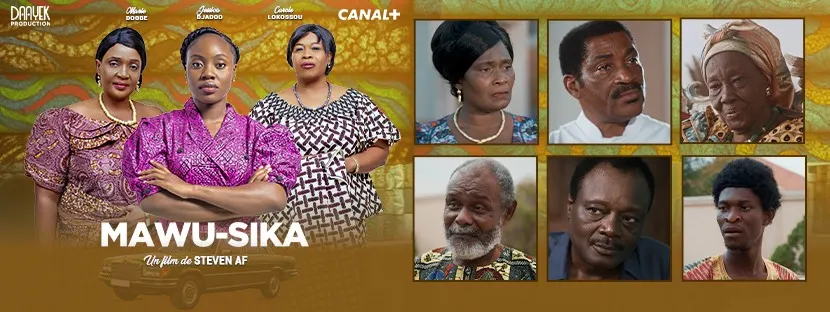
MAWU-SIKA: the film by Steven AF (feature-length fiction) that finally gives the NANAS BENZ of Togo back their crown!
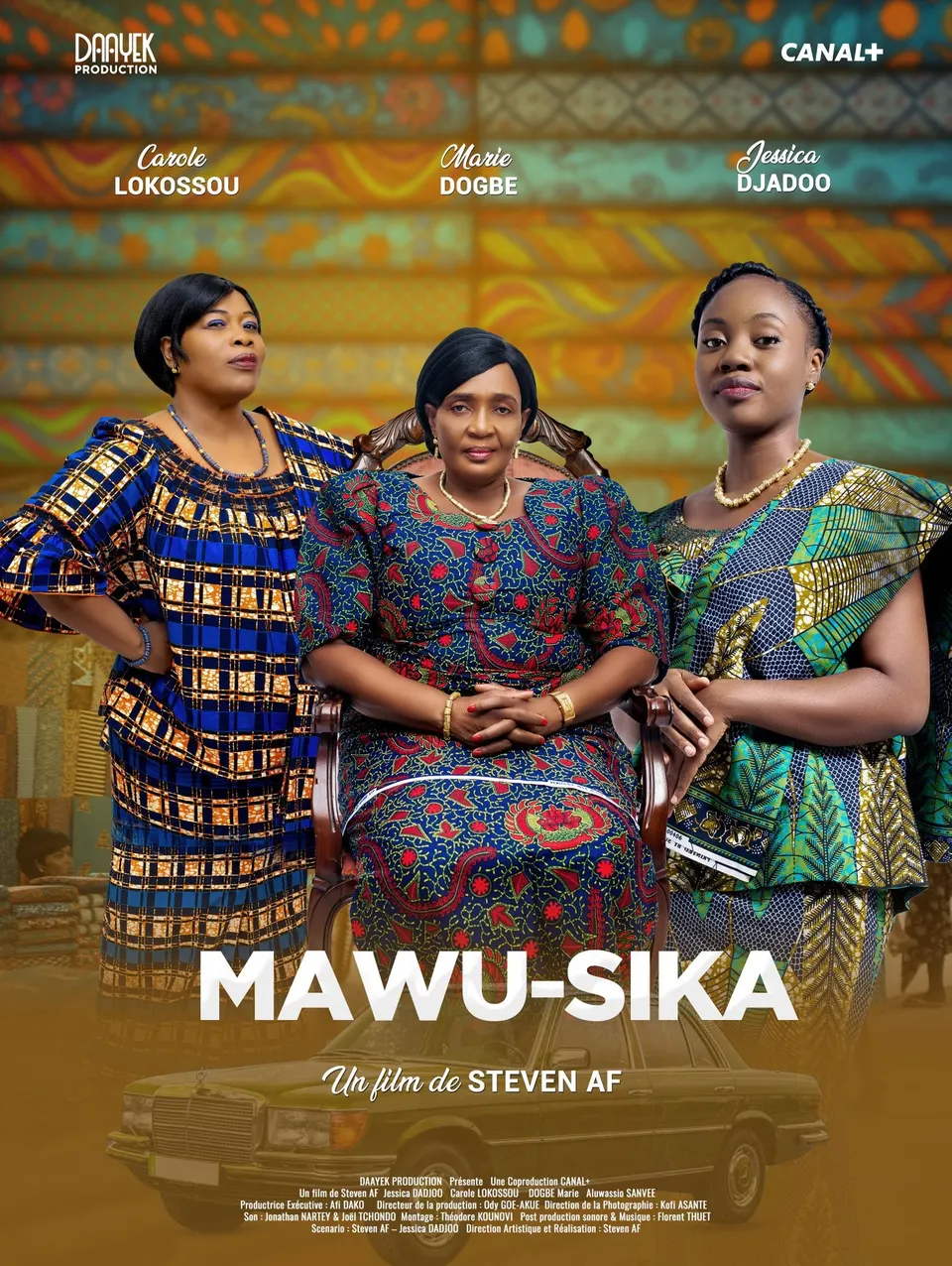
African cinema, and Togolese cinema in particular, is enjoying an unprecedented surge of energy, driven by an ambition to reclaim memory and culture. At the centre of this creative ferment stands a monumental work: MAWU-SIKA, the latest feature film by director Steven AF.
This film, whose title literally means “God’s gold” in the Ewe language, is not content to be a dramatic fiction; it stands as a bridge between generations, a realistic tribute to the glorious era of the Nanas Benz and a technical tour de force in spite of major economic constraints.
The architect of the story: Steven AF, between psychology and image
To grasp the essence of MAWU-SIKA, one must first trace the path of its creator, Folligan Amouzou, better known as Steven AF. Born on 20 February 1980 in Lomé and originally from Fiata, a village nestled in the canton of Anfoin in the Lacs prefecture, this self-taught filmmaker has turned his passion for the cinema into a first-rate career. The second of six children, he grew up on youth series such as Friends and Hélène et les garçons, while developing a critical eye on Togolese society.
A psychologist by training, Steven AF gave up a clinical career to throw himself heart and soul into filmmaking, a field in which his expertise in the human soul informs every shot. His film career reflects a methodical and committed rise.
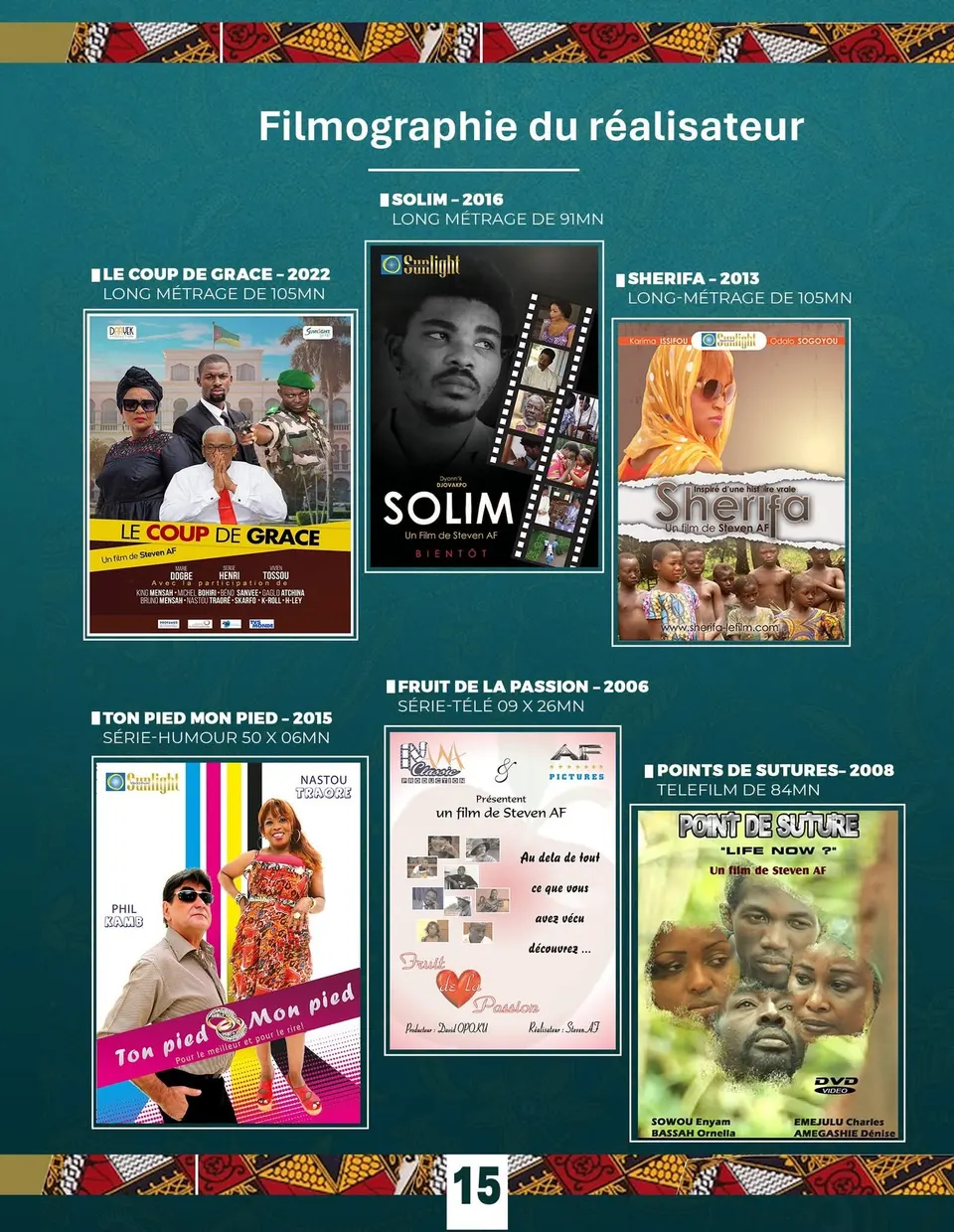
He cut his teeth in 2002 with the series Remue-ménage, devoted to student life in Lomé, before leaving his mark on music video aesthetics in 2003 with the video for “Enubue” by the artist Wedy. After the series Fruit de la passion in 2006, he established himself in feature films with Point de suture in 2008.
The major turning point in his career came in 2013 with Shérifa, a social drama about women’s rights that earned him a prestigious nomination at the Africa Movie Academy Awards. He went on to explore the theme of returning to one’s roots in Solim in 2016 and psychological suspense in Le Coup de Grâce in 2021, finally arriving in 2026 at the monumental MAWU-SIKA, a true visual sanctuary for the memory of the Nanas Benz.
The saga of the Nanas Benz: a heritage in danger
The beating heart of MAWU-SIKA is the Grand Marché d’Adawlato, the great market where part of the economic history of West Africa was written. Inspired by true events, the film pays sacred tribute to the Nanas Benz, the legendary businesswomen who, between the 1970s and the 1990s, dominated the trade in wax print cloth and indirectly financed the young Togolese Republic. These women were not mere traders; they were political and social pillars, capable of creating cloth patterns carrying coded messages and of supporting artists and charities at a time when financial institutions were still in their infancy.
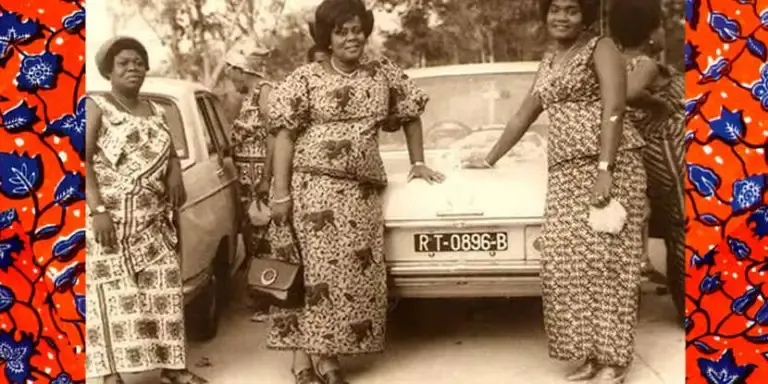
Steven AF, who grew up in the heart of this market, witnessed this dominance first hand. He explains that the film was born of a sense of urgency: the need to immortalise these figures before they faded entirely from collective memory. The socio-political crises of the 1990s, followed by the devastating market fires of 2013, dealt a final blow to the prestige of these women.
By setting his story in 1987, the director captures the height of this power, offering today’s generations a visual testimony of what African-style female success looked like. The film explores the deep symbolism of the wax print cloth, which goes beyond mere textile to become a tool of financial emancipation. Through their boldness, the Nanas Benz were the first to buy themselves Mercedes-Benz cars (hence their name), staking out their territory in a patriarchal world. MAWU-SIKA thus sets out to be a mirror of this resilience, showing how these women turned trade into a genuine family and national institution.
The story of Mawu-Sika: a conflict-ridden coming-of-age journey
The plot of MAWU-SIKA revolves around a duality between tradition and modernity, heritage and personal ambition. The main character, Mawu-Sika, is a young woman who graduated from the Beaux-Arts in Paris and who, after the sudden death of her mother Da Essi, must abandon her architectural plans to take over the family cloth business in Lomé. This homecoming is far from plain sailing. She finds herself plunged into a “circle of initiates” where solidarity often conceals fierce hostility.
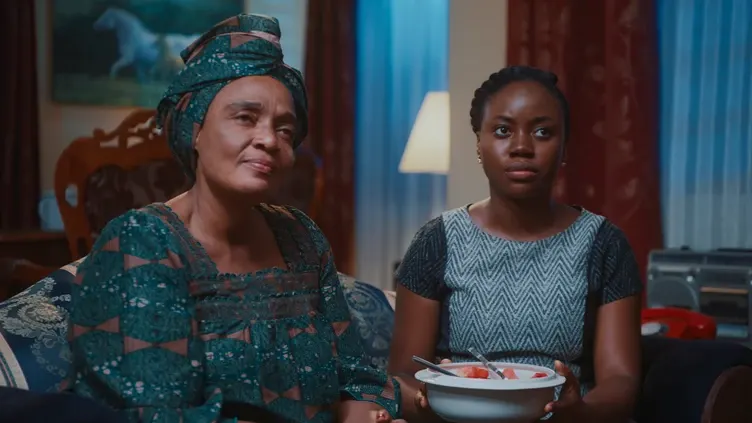
At the Grand Marché d’Adawlato, Mawu-Sika must face Navi Adzo, the main antagonist. Once her mother’s trusted associate, Navi Adzo covets the inheritance and uses every means, physical as well as mystical, to push aside the rightful heir. The film depicts with surgical precision the dirty tricks and tensions that govern this closed world, revealing that behind the luxury of the fabrics lies a daily battle for survival and power.
The director favours realistic storytelling, with careful attention to costumes, sets and music, avoiding sensationalism in favour of an intimate approach. Silences, glances and things left unsaid carry the weight of buried family secrets. Through the character of Mawu-Sika, the film raises the question of transmission: how can a young woman educated in the West make her own a heritage rooted in ancestral traditions and a hands-on, street-level economy?
Mawu-Sika’s coming-of-age journey thus becomes a metaphor for the quest for identity of an entire generation of the African diaspora.
Behind the scenes: the technical challenge of recreating an era
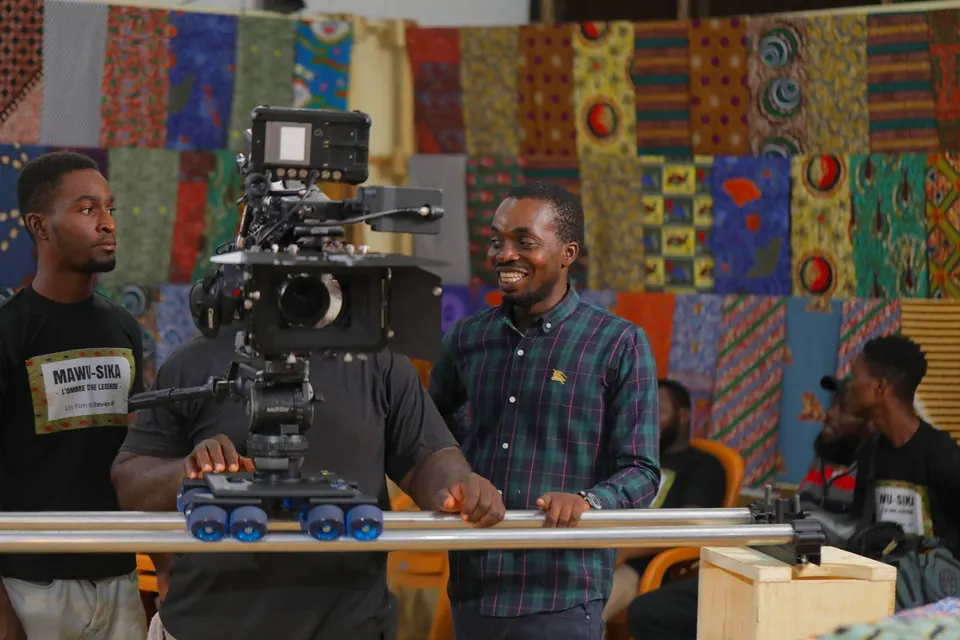
Making a period film in Togo is a Herculean task, and Steven AF spared no effort to reach international standards. Producing this sweeping fresco required impressive logistics: 35 days of intensive shooting involving more than 40 crew members and 300 extras.
Conceived by the director as early as 2014, the project had to overcome major budgetary hurdles. Steven AF had to show rare ingenuity to recreate the opulence of the Adawlato market in 1987. Unable to raise the 100 million FCFA needed to buy stocks of authentic wax print cloth, the team innovated by using printed foam materials to simulate on screen the thickness and richness of the fabrics. Produced by Daayek Production in co-production with Canal+ International, the film now stands as a benchmark for Togolese productions capable of winning over the global market.
An exceptional cast: when legends play themselves
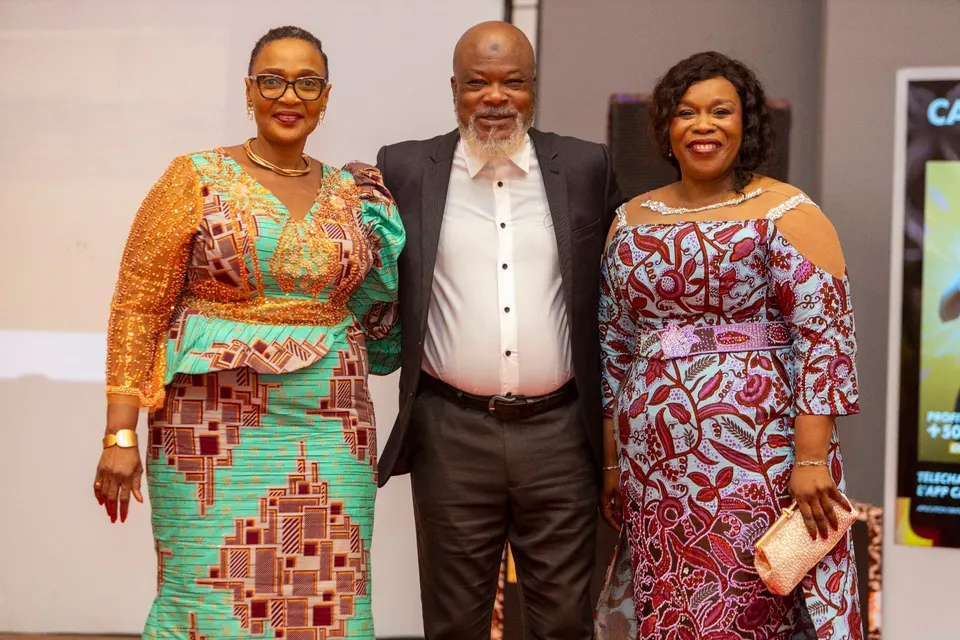
The strength of MAWU-SIKA also lies in its cast, which combines well-known actors and historical figures. The most striking element is the participation of Marguerite Sewoa-Lawson, a real-life Nana Benz. The only daughter of Manavi Ahiankpor-Sewoa, founder of the Manatex company and the first Togolese woman to buy herself a Mercedes-Benz, she makes her screen debut in the role of Nagan. Her presence gives the film a documentary authenticity, turning her performance into a passing of the baton between historical reality and cinematic fiction.

Alongside her are pillars of Togolese culture such as Béno Sanvee Alouwassio, who plays Uncle Paul. A stage and screen actor whose reputation is long established, he brings dramatic depth to the family interactions, often marked by disputes over inheritance. This chemistry between seasoned actors, icons of Togolese commerce and younger performers allows the film to reach a multigenerational audience.

At the preview screening at the Hôtel 2 Février, the recognition was complete. Marguerite Sewoa-Lawson received a Lifetime Achievement Award for her career as a whole, presented to a standing ovation from former Prime Minister Victoire Tomégah-Dogbé and many members of the government. The event underlined that the film is not merely a cultural product, but an act of national recognition for the women who built Togo.
Cultural and economic impact: a tool for transmission
Beyond the screen, MAWU-SIKA sets out to be an educational tool. Steven AF bitterly regrets that the story of the Nanas Benz is almost absent from school and university textbooks, which favour foreign figures. For him, these women embody models of entrepreneurship, resilience and female leadership that must be taught to future generations. The film therefore serves as a living archive, showing the children of the 21st century what the Grand Marché was like before the fires and before globalisation diluted the influence of these traders.
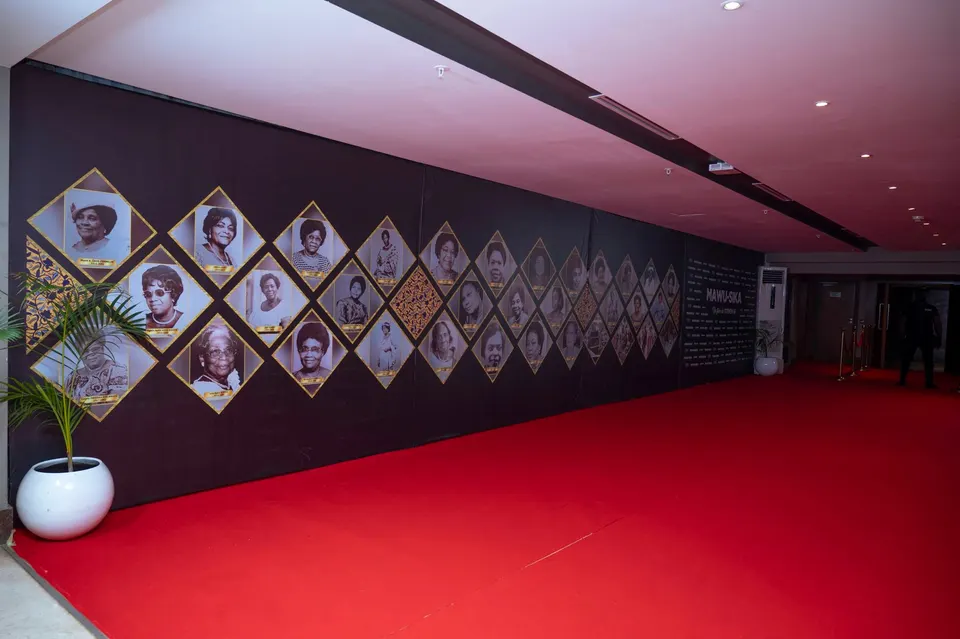
Economically, the film highlights the historic role of the Nana Benz in the logistics and financing of the young Togolese nation. They were the pioneers of microfinance, supporting other women in launching family businesses at a time when the banking system was out of reach. By reviving this memory, the film hopes to spark reflection on economic sovereignty and on the pivotal role that women continue to play in Africa’s development. The director is also calling on the authorities to take concrete action: naming avenues, erecting monuments and creating public spaces dedicated to these pioneers.
MAWU-SIKA is therefore not the end of a process, but the beginning of a campaign to ensure that Togo never forgets its “mothers of the economy”.
Screening schedule and international reach
The rollout of MAWU-SIKA was meticulously orchestrated to captivate Togolese audiences from the start of 2026. After an official launch at a press conference on 4 February in Lomé, the film, co-written by Jessica Djadoo (Mawu-Sika), embarked on a true prestige marathon. On 21 March, the Hôtel 2 Février hosted a VIP preview, followed on 28 March by the grand public premiere at the Grand Rex. The momentum continued with the opening of the 9th Togo Film Festival (FIFTO) on 14 April, before a temporary finale with a memorable public screening at the Palais des Congrès on 19 April 2026. The film’s reach does not stop at Togo’s borders.

Mawu-Sika is being released in cinemas at Majestic CIV, Pathé Abidjan, Dakar, Sea Plaza Dakar and Sylver Screen Cinema Douala; then at Ciné Burkina, Ciné Neerwaya and CENASA in Ouagadougou, and at the Maison de la Culture in Bobo-Dioulasso.
Senator Innocent Kagbara publicly declared that MAWU-SIKA deserved its place at FESPACO 2027, stressing that the work has the stature needed to represent the excellence of West African cinema. In addition, the film is among the selections backed by the International Organisation of La Francophonie (OIF), which guarantees it visibility at major festivals such as the Berlinale and the Pan African Film & Arts Festival in the United States.
The legacy of a legend and the future of Togolese cinema
MAWU-SIKA, carried by Marie Dogbe, Jessica Djadoo, Jérémie Blagogee, Carole Lokossou and others, stands as a pivotal work. By combining intimate storytelling with an ambitious historical fresco, Steven AF has succeeded in creating a film that resonates both with older viewers, nostalgic for the golden age of Adawlato, and with young people in search of models of authentic success.
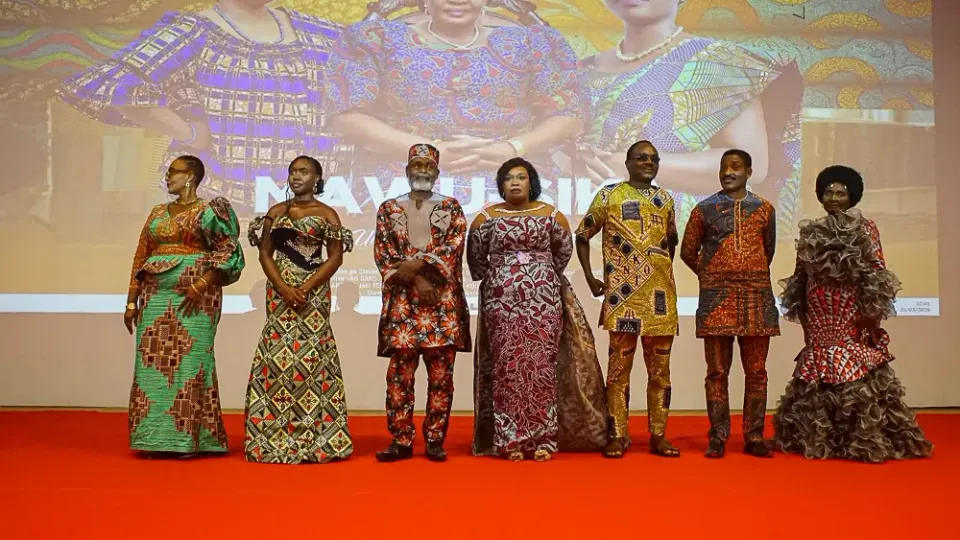
The involvement of the authorities, symbolised by the presence of Minister of Culture Isaac Tchiakpe at the 2 Février, shows a growing awareness of the importance of cinema as a vehicle for cultural diplomacy and memory. By immortalising the Nanas Benz, MAWU-SIKA gives Togo a national treasure that will keep shining long after the curtain has fallen in the cinemas. It is a well-deserved tribute to African women, to their daring and to their ability to weave, both literally and figuratively, the future of a continent.
Pélagie BLEWUSSI