

Glôkô: The Secret Behind the Elephants’ Traditional Fabric at the World Cup
Discover the secret behind the Elephants’ traditional fabric for the 2026 World Cup. The story of glôkô, an ancestral bark cloth, with Africaine

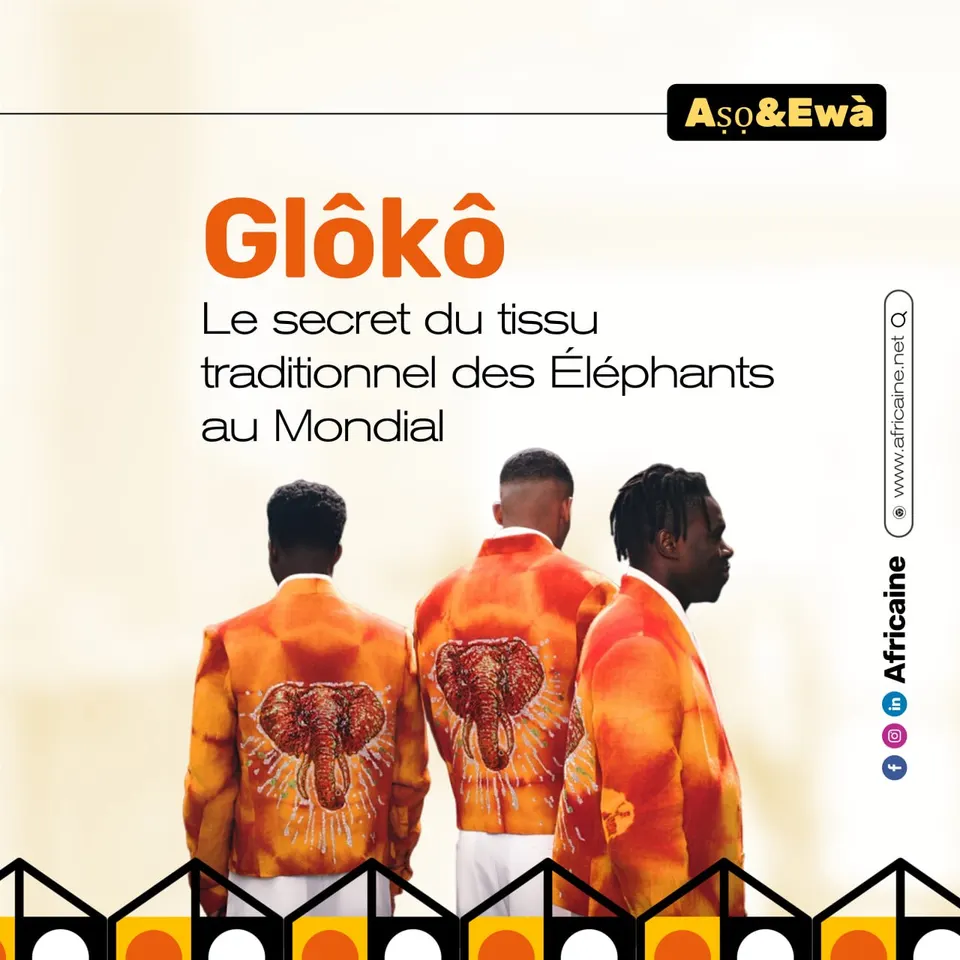
A fabric has just travelled around the world. On 5 June 2026, the Ivory Coast national team posed for its official World Cup photo dressed in the Elephants’ traditional fabric: tapa, also known as glôkô. The image of this ancestral bark cloth caused a sensation. But this fabric did not need a World Cup to exist. For centuries it has clothed everyday life, ceremonies, rites and the memory of an entire people. This is its story.
A fabric that does not come from a loom
Most African wraps are born from thread. Glôkô, by contrast, is born from a tree: Antiaris toxicaria (known locally as Glôko). Among the Bété people of central-western Ivory Coast, particularly around Daloa, this traditional wrap is called glôkô. Others call it tapa. Both words describe the same cloth: tree bark turned into fabric, without a single thread and without any loom.
The result is a raw, living material, deeply bound to the land that produced it.
The making: a ritual in its own right
Making the traditional fabric that the Elephants showcased at the World Cup takes time. And that time is part of its value.
The process follows several precise stages. First, the tree is felled. Next, the bark is stripped away. Then comes the repeated beating of that bark until it becomes supple. Finally, drying in the sun gives the fabric its final texture.
It is from this very gesture that the name “tapa” comes: the fabric is literally born of repeated blows, of long, successive taps on the bark.
Once dry, glôkô can be dyed. Its natural colour nonetheless remains emblematic: a pale, plain khaki, almost mineral.
Each wrap therefore carries, in its very texture, the trace of the gesture that created it.
A fabric reserved for great occasions
Today, nobody wears glôkô to go to work. And that is precisely what makes it a treasure. In the past, Bété ancestors wore it every day. But over time, with the arrival of other textiles and the dwindling availability of bark, glôkô became rare. That rarity gave it a new place: that of great occasions.
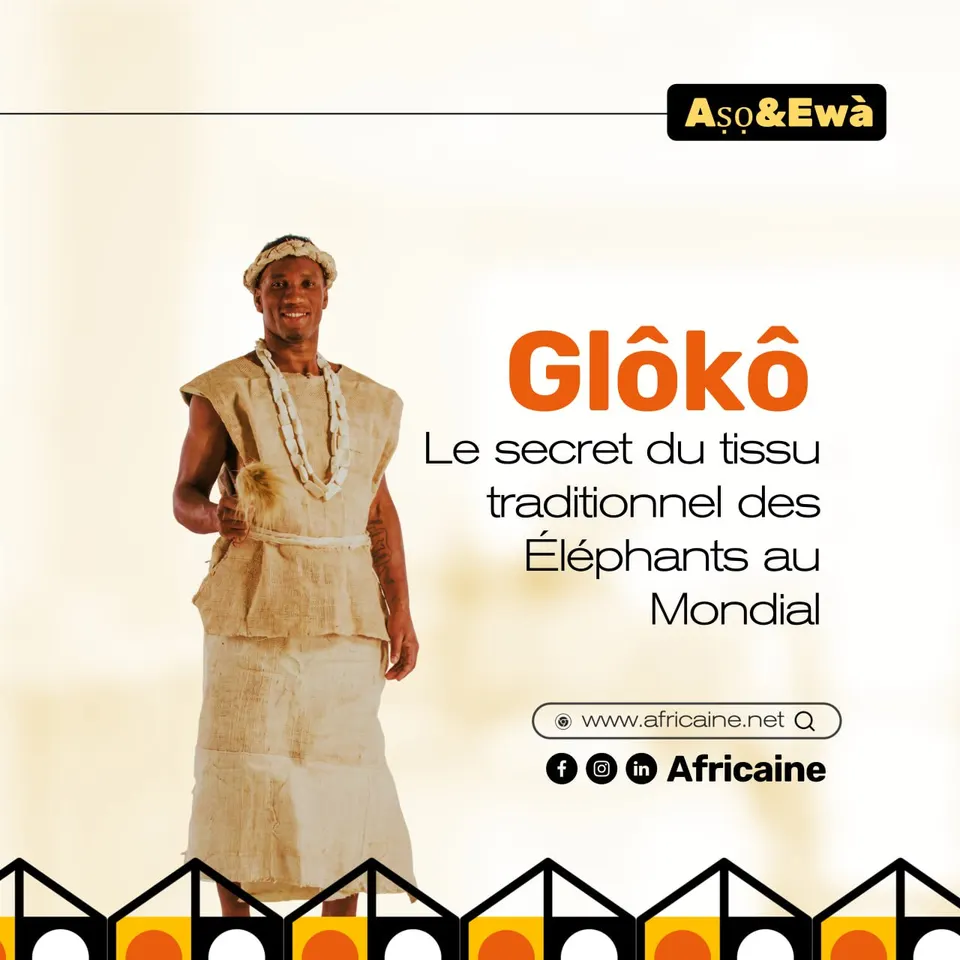
Traditional weddings, cultural ceremonies, parades celebrating Bété or Ivorian identity: glôkô holds a place of honour at all of them. Wearing it is never a matter of chance. It is a choice, and a statement of one’s identity and pride.
Why the Elephants’ traditional fabric means so much today
Glôkô has crossed the centuries without needing to be modernised to impress. Its strength lies precisely in its raw simplicity: a bark, a gesture, a colour. And when it meets the vision of talented African designers, tapa fascinates, to the point of dressing the national team on the most watched stage in world sport.
This resonance is no accident. It reveals a broader truth about Africa’s textile heritage: its authenticity speaks for itself. There is no need to reinvent it. It is enough simply to show it.
Glôkô, the memory behind the Elephants’ traditional fabric
A fabric can tell a story without saying a word. Glôkô is the perfect example.
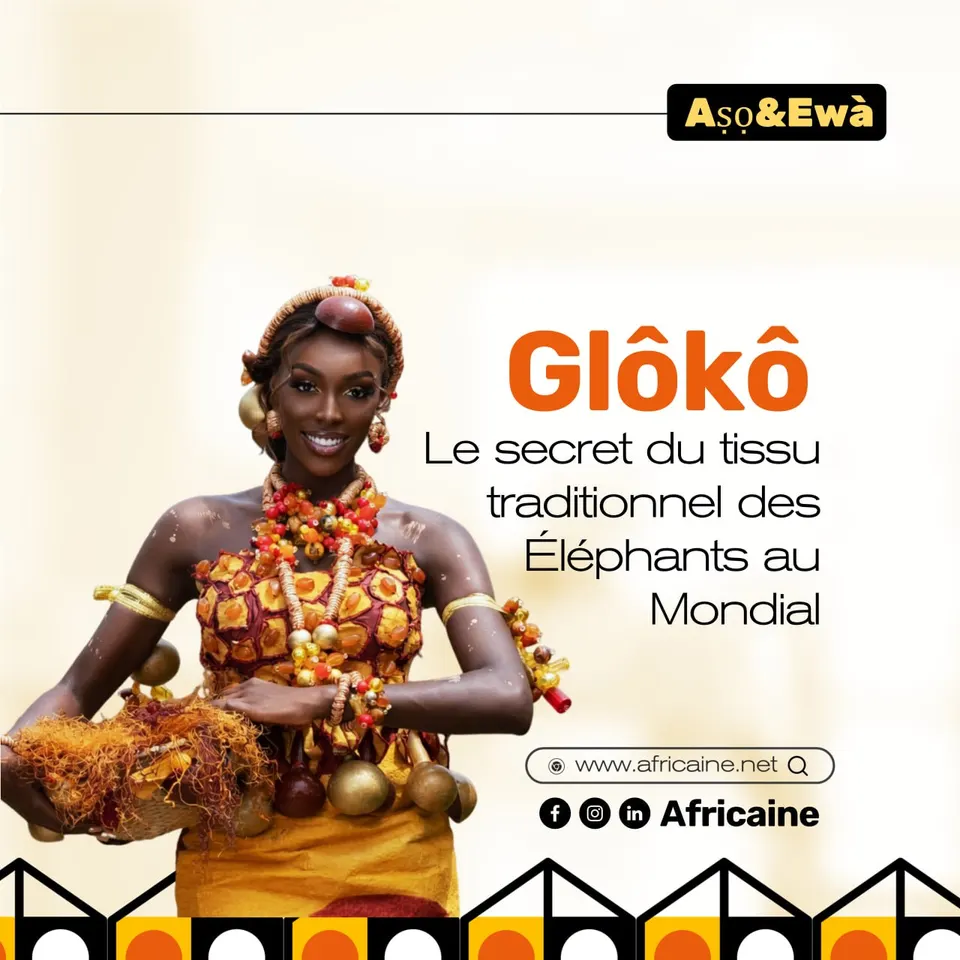
Each wrap carries within it the sound of blows on the bark, the hours of drying in the sun, and generations of hands that repeated this gesture before us.
The 2026 World Cup gave glôkô a global showcase. But its true value depends on no stage.
It has always been there, woven, or rather beaten, into Ivorian and African memory.
Pélagie BLEWUSSI