


Africa Day: Celebrating the Soul and Heritage of the Continent
Celebrate Africa Day with Africaine.net. Discover the soul, heritage and cultural strength of the African continent, beyond politics.

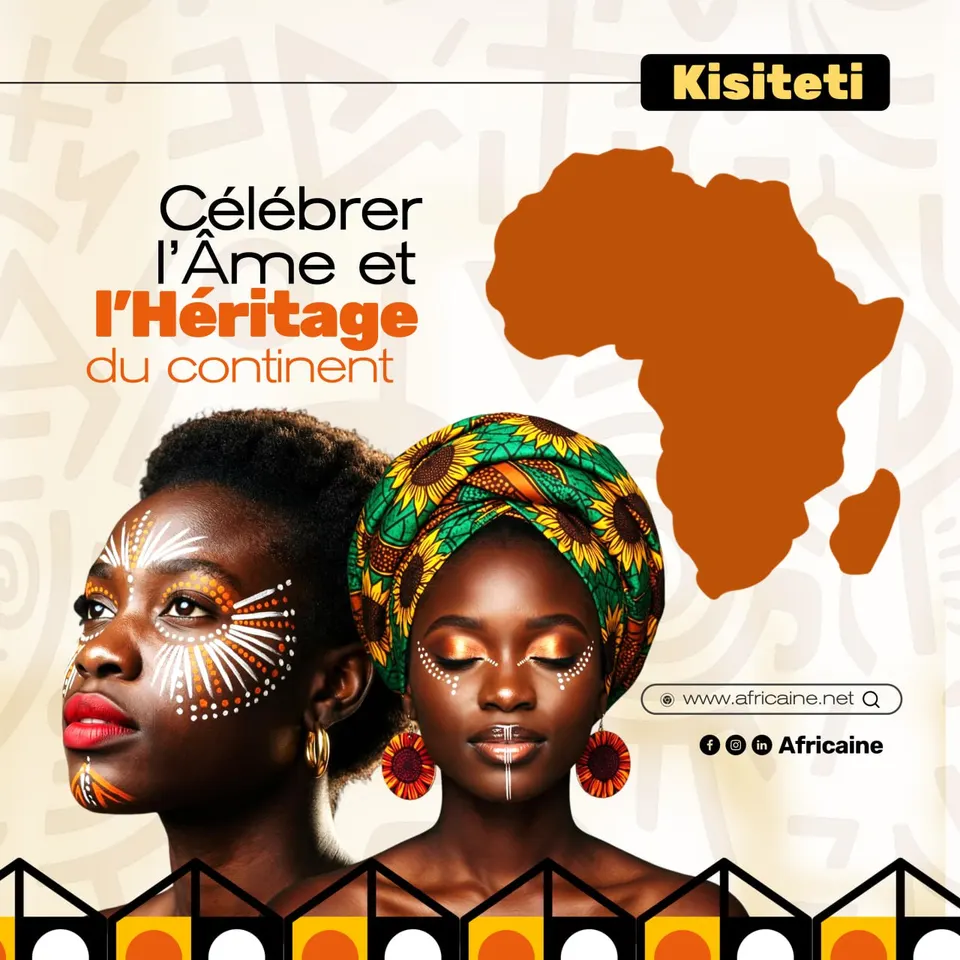
Africa Day is far more than a date on the calendar. Every 25 May, a tam-tam sounds at dawn, a kora sets its strings vibrating between past and present, and kente cloth is draped over the shoulders of those who carry the continent’s cultural heritage. What 25 May 1963 brought together in Addis Ababa was not just heads of state, but the echo of a hundred civilisations that refused to be silenced. To celebrate this African identity is to pay tribute to a collective soul that, for decades, has refused to be confined by borders.
On 25 May 1963, in Addis Ababa, Ethiopia, in the conference room of Africa Hall, thirty-two newly independent African nations signed the founding act of the Organisation of African Unity. History remembers the event as a political act. But behind the signatures and the speeches lies something far deeper: the collective recognition that Africa is not a collection of territories, it is a civilisation.
A soul, a heritage that no border drawn with a ruler has ever managed to sever. Sixty-three years later, Africa Day has grown far beyond diplomatic protocol. Celebrated in fifty-five countries and across every African diaspora in the world, it has become one of the continent’s most powerful cultural expressions. For it is a moment when Africa reminds itself of what it is: ancient, alive, creative and inexhaustible.
Addis Ababa and Ethiopia: Symbols of African Sovereignty and Culture
The choice of Ethiopia to host the historic summit that gave birth to the world day of Africa was no accident. Never colonised, apart from a brief Italian occupation between 1936 and 1941 that was swiftly driven back, Ethiopia stands for the whole of Africa as the living symbol of resistance and sovereignty. What is more, its language, Amharic, its Ge’ez script, its rock-hewn churches in Lalibela and its age-old kingdoms of Aksum all declare that African civilisation did not wait for Europe in order to exist.
Choosing Addis Ababa was therefore a cultural act even before it was a political one. It was a way of saying: we are meeting on a land that has never bowed its head, and it is on this very land that we decide what we want to become. This symbolic dimension lies at the heart of what 25 May still celebrates today: not the birth of an institution, but the reaffirmation of a cultural dignity that history had tried to erase.
African Unity: A Pan-African Identity Born of Traditional Cultures
Pan-Africanism, the idea that African peoples and people of African descent share a common destiny, was not born in conference rooms. It took root in the resistance songs of the enslaved in the Americas, in the poems of Négritude championed by Aimé Césaire and Léopold Sédar Senghor, in the fiery speeches of Marcus Garvey and in the continental vision of Kwame Nkrumah.
Senghor, poet and the first president of Senegal, put it with a clarity that has not aged: culture is not an ornament of politics, it is its foundation. Indeed, Ubuntu, a Bantu philosophy proclaiming “I am because we are”, is the invisible matrix of the African project. Before it was an article in a treaty, African unity was an intuition shared over millennia by griots, queens and kings, weavers and storytellers. It is this intuition that 25 May crystallised into a historic act.
Africa Day in 2026: The Revival of the African Art Scene
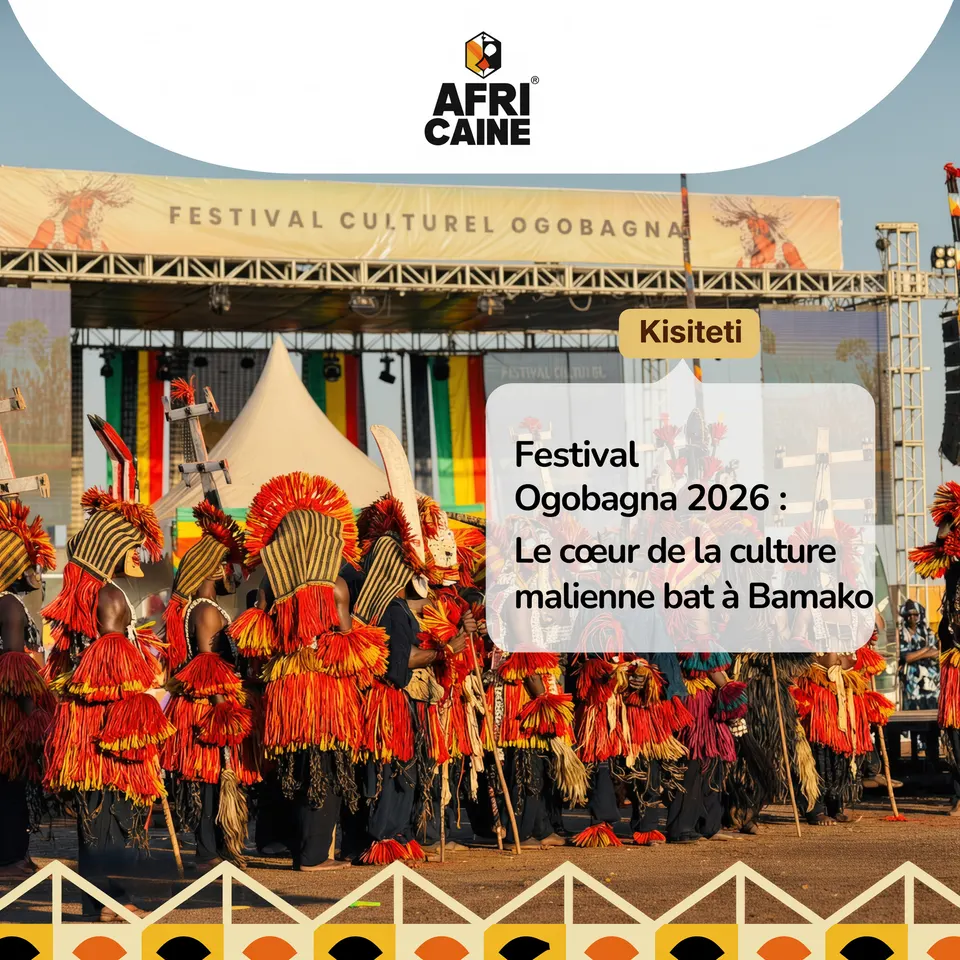
All over the world, celebrations of Africa Day have profoundly changed their face. While official ceremonies continue and some countries make the date a public holiday, it is now cultural events that give the day its soul. From Lagos to Nairobi, by way of Dakar, Abidjan, Paris, Louisiana and London, 25 May is lived through concerts of traditional and contemporary music, art exhibitions, African fashion shows, film screenings, youth forums and craft markets.
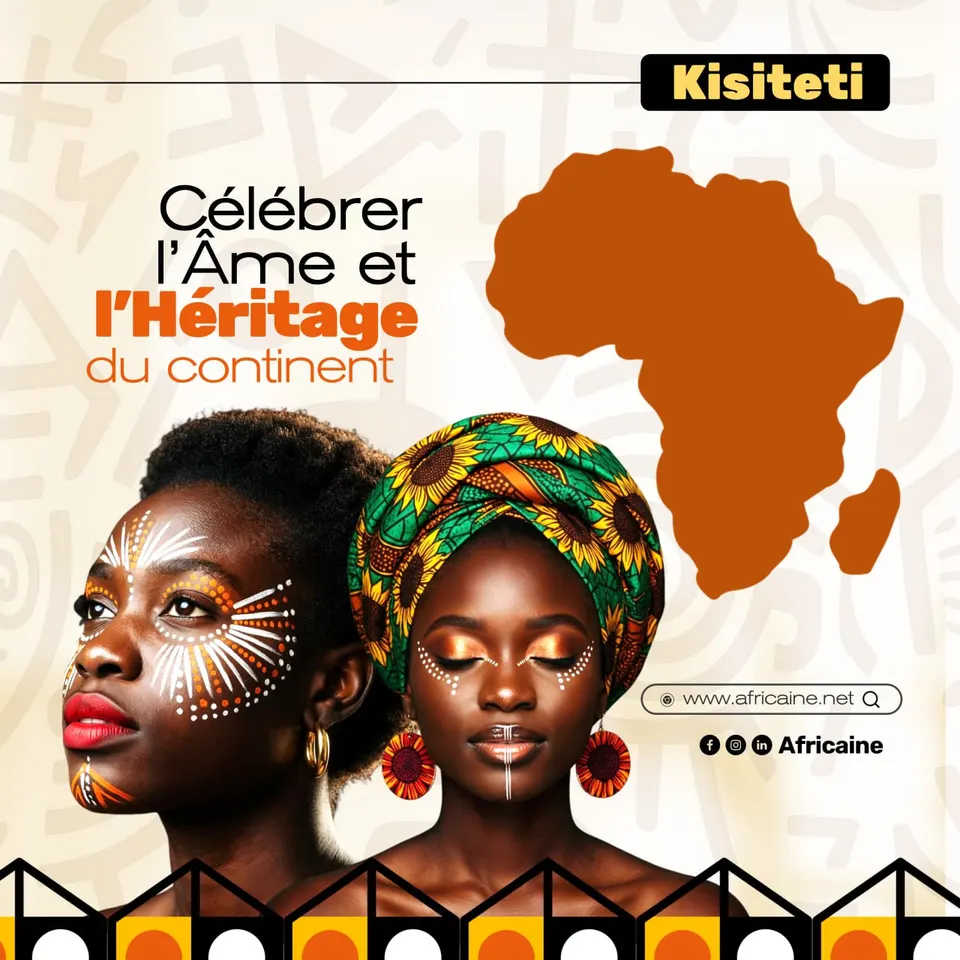
Music plays a special role in this renaissance. From Ghanaian highlife to Nigerian Afrobeat, from Senegalese mbalax to South African mbaqanga: every musical genre is a
cultural language telling a story of resistance, joy and belonging. African artists across several generations, such as Angelique Kidjo, Burna Boy, Fally Ipupa and Sauti Sol, no longer define themselves solely as national artists. They claim to be African, and their audience is global.
Likewise, African fashion designers see the bigger picture of unity. From Malian bogolan reinterpreted by contemporary designers to the deep hues of indigo or ankara prints that have become the language of the global diaspora, clothing is an act of identity. To dress African on 25 May is to wear a statement that no words or speeches could express better.
Africaine.net: Promoting Heritage and Africa Day Every Day
At Africaine.net, our slogan the Soul of Africa is not a marketing line. It is a founding conviction. We believe that African culture is not the backdrop to the continent’s history: it is its driving force, its memory and its horizon.
Every article we publish is a way of celebrating what 25 May dared to assert: that Africa is rich in what it is, not only in what it produces. That its languages, more than 2,000 of them recorded across the continent, are architectures of thought without equal. That its rituals, its textiles, its cuisines, its philosophies and its oral narratives make up a heritage of a depth the world is only beginning to grasp.
Africa Day belongs to us all: to those born on the continent, to those descended from it, and to everyone who has understood that to understand Africa is to know an essential part of humanity.
25 May does not celebrate a political victory. It celebrates something more lasting: a continent’s decision to tell its own story, in its own words, in its own colours, to the rhythm of its own drums.
And that decision is one no treaty can ever revoke!
Pélagie BLEWUSSI