


Ogobagna Festival 2026: The Heart of Malian Culture Beats in Bamako
Ogobagna Festival 2026: dive into the heart of Malian culture in Bamako. Between Dogon and Bozo traditions, enjoy a unique immersion here.

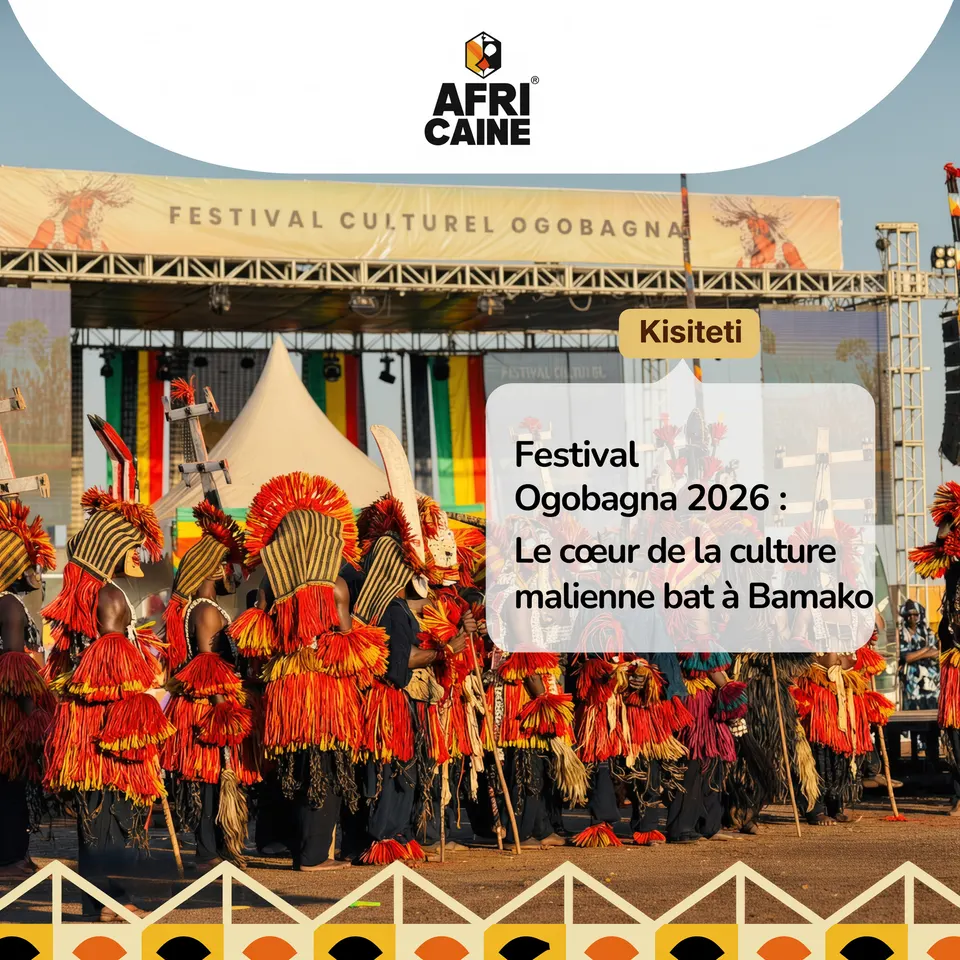
Ogobagna Festival 2026: everything you need to know about Bamako’s major cultural event. Discover the theme of resilience, the spotlight on the Bozo community and the secrets of Toguna architecture. An exclusive Africaine.net feature exploring the priceless wealth of Mali.
The eleventh edition of the Ogobagna Cultural Festival, held from 26 January to 1 February 2026 on the Place du Cinquantenaire in Bamako, is far more than a simple folklore event. In Mali’s current context, it stands as an essential pillar for promoting national cultural identity and a lever for social cohesion in the face of security and political challenges. As a major cultural institution, the Ogobagna 2026 festival is built around the central theme “Cultures of Mali: dialogue, creativity, resilience for sustainable development”, reflecting a clear determination on the part of the public authorities and the communities to turn intangible heritage into an instrument of national reconstruction.
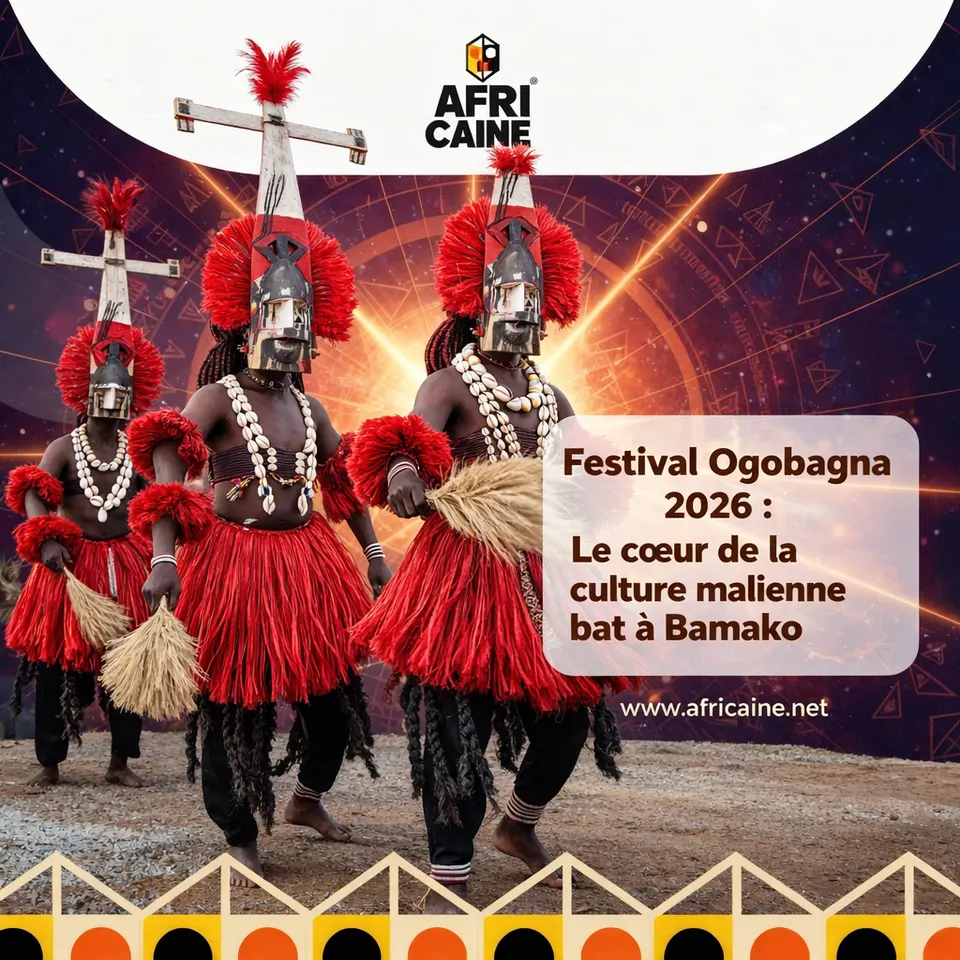
The etymology of the word “Ogobagna” offers a fundamental key to understanding the philosophy of the event. In the Dogon language, the term refers to “the Hogon’s dish”, the bowl in which the meals of the traditional spiritual leader are served. This metaphor of the royal bowl symbolises unity, sharing and the legendary hospitality of the Dogon people, while highlighting the power and spiritual governance attached to the figure of the Hogon. First conceived in 2015-2016 by the Ginna Dogon association to make up for the impossibility of holding large-scale events in Dogon country because of instability in central Mali, the festival has gradually evolved into a “sedimentation basin” where all of Mali’s cultures converge.
The 2026 Edition: Structural and Thematic Framework
The official launch of this eleventh edition, presided over by the Minister of Culture, Crafts, the Hotel Industry and Tourism, confirmed Ogobagna as an unmissable event for more than 30,000 visitors. Staging such an event in Bamako, far from the Bandiagara cliffs, is in itself an act of “peaceful resistance”, aimed at preserving memory while inventing contemporary forms of expression. For the occasion, the Place du Cinquantenaire was transformed into a genuine “ephemeral cultural city”, able to host around 250 craft and food stands.
An ephemeral city in the heart of Bamako
Over seven days of non-stop festivities, the Place du Cinquantenaire becomes a genuine ephemeral cultural city. The imposing infrastructure features some 250 stands that turn the site into a crossroads of creation and exchange. More than 200 artisans, from the heartlands of Mali but also from Burkina Faso, Niger, Senegal, Ghana and even Romania, proudly display the excellence of their craftsmanship. Amid all this buzz, the festival draws a human tide of more than 30,000 visitors, making Ogobagna the beating heart of African diversity at the start of 2026.
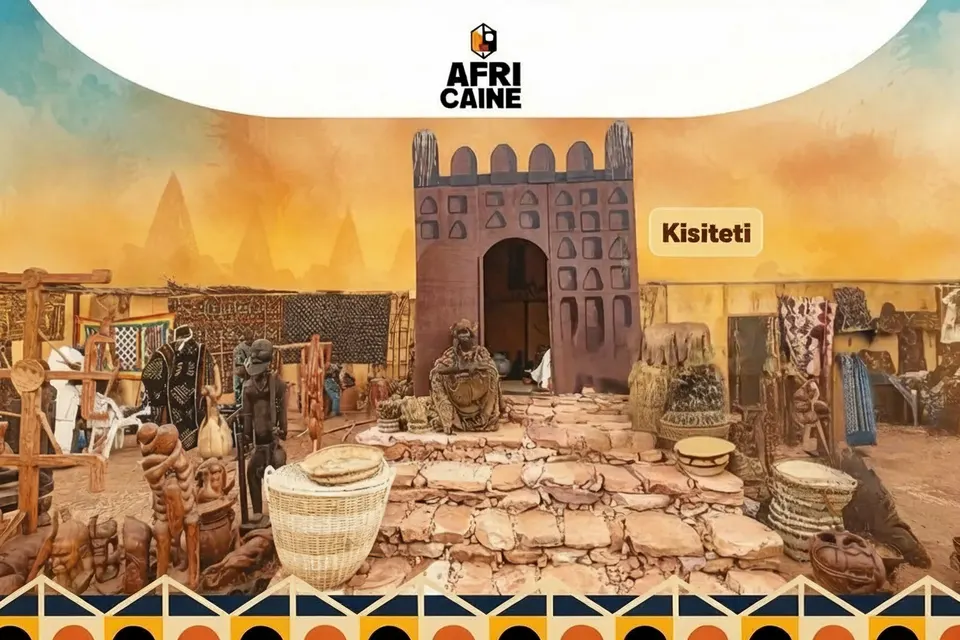
This mobilisation reaches beyond national borders, bringing in artisans and observers from the Alliance of Sahel States (AES), which reinforces the idea of a shared destiny between Mali, Burkina Faso and Niger. Another innovation of the 2026 edition lies in capacity building for artisans, with workshops dedicated to promoting heritage and adapting products to modern markets.
The Bozo Community: Masters of the River and Guests of Honour
The choice of the Bozo community as guest of honour of the 11th edition is no accident. It illustrates the organisers’ wish to shed light on the diversity of the peoples of the Niger River and to celebrate the centuries-old military and social ties that bind the Bozo to the Dogon. The Bozo, known as the “masters of the water” or “people of the river”, bring a crucial aquatic and environmental dimension to the festival.
The Myth of Joking Kinship (Sanankuya)
The relationship between the Dogon and the Bozo rests on joking kinship, a sociological mechanism for regulating conflict typical of West Africa. The origin of this sacred bond is often traced through mythical tales of survival. One recurring story tells of a time of extreme famine when one of the ancestors, faced with the other’s distress, is said to have cut off a piece of his own flesh (often from his thigh) to feed his pact brother. This act of ultimate sacrifice sealed an unbreakable alliance, including major taboos, notably the ban on marriage between the two ethnic groups, in order to avoid any consanguinity that might break the balance of the original pact.
At the Ogobagna festival, this kinship shows itself in ritual verbal exchanges, in which humour acts as a safety valve to release social tensions. The Bozo claim to have “made” the Dogon in order to create the solidarity essential to living together, a rhetoric that helps defuse intercommunal antagonisms.
Cultural Expressions of the River Peoples
The Bozo presence on the festival site was marked by the reconstruction of the “Bozo Daga”, the traditional fishermen’s dwelling, and an exhibition of a world built around fishery resources.
Puppets (Sogo bò): Bozo puppet theatre, inscribed on the list of the Intangible Cultural Heritage of Humanity, is one of the star attractions. The puppets, depicting stylised fish, crocodiles and water spirits such as Faro, symbolise abundance and the spiritual connection with the Niger.
Technical Know-how: The display of fishing nets, fish traps (zolòn) and miniature pirogues demonstrates a traditional engineering adapted to the cycles of the river.
Pirogue Races: These competitions are not merely sporting but ritual, recalling the importance of mastering the waters in building Mali’s national identity.
Dogon Cosmogony and Metaphysics: The Universe of Amma and Sirius
Beyond its festive side, Ogobagna is a space for passing on Dogon metaphysics, one of the most complex in Africa. Dogon thought revolves around the figure of Amma, the creator God, and a vision of the universe founded on duality and balance.
According to Dogon cosmogony, Amma created the Nommo, hermaphrodite and amphibious ancestral spirits, often described as “masters of the water” or “instructors”. These beings are said to have descended from the sky in a whirling ark, amid fire and thunder, to bring humankind the rudiments of civilisation: speech, weaving, agriculture and metalworking. The eight primordial ancestors (four pairs of twins) represent the origin of the Dogon lineages and the perfect cosmic order.
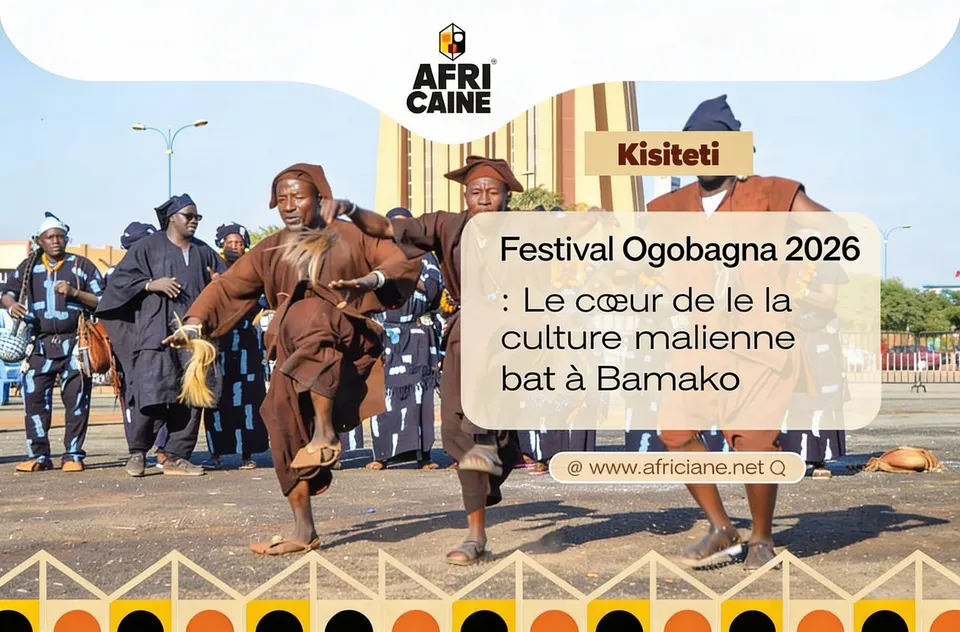
The Mystery of Sirius (Po Tolo)
One of the points of worldwide fascination with Dogon culture lies in their astronomical knowledge, particularly regarding the Sirius system (Sigui Tolo). For centuries, Dogon priests have asserted that Sirius has a companion star, Po Tolo (Sirius B), invisible to the naked eye, but characterised by its small size and extreme density.
Astronomical Precision: The Dogon describe the orbit of Sirius B as elliptical, with an orbital period of 50 years, which matches discoveries of modern astronomy made only in the 19th century.
Binary and Tertiary System: They also posit the existence of a third star, Emme Ya (Sirius C), a hypothesis that remains a matter of scientific debate.
The relationship between the size and mass of Sirius B can be modelled by a critical density, which the Dogon symbolise with the grain of Po (fonio), the smallest of seeds yet the bearer of all the power of creation.
Sacred Architecture: The Toguna and the Palaver Hut
The Toguna, or “men’s shelter”, takes pride of place on the site of the Ogobagna 2026 festival. It is the second building erected when a village is founded, after the hut for menstruating women, underlining its strategic and social importance.
The Toguna is designed to encourage dialogue and prevent physical violence. Its roof, made of eight layers of millet bundles, symbolises the eight original ancestors. Its low height (around 1.20 metres) forces participants to remain seated, making any sudden movement or physical aggression impossible during heated debates. It is under this shelter that the council of elders meets to dispense justice and discuss community affairs.
The pillars of the Toguna are often carved with depictions of the Nommo or fertility symbols, bearing a patina and signs of use passed down through the generations. During the festival, the Toguna serves as a space for mediation, where the Hogon receives visitors for blessings for the success of Mali’s political transition and the return of peace.
Material Culture, Crafts and Fashion
The Ogobagna festival is an exceptional showcase for Malian craftsmanship, particularly ironwork, woodwork and textiles. The presence of 250 stands gives a measure of the sector’s economic vitality despite the security crisis.
Bogolan, the traditional mud-dyed textile, is celebrated by designers such as Mariam Délé. The innovation lies in adapting ancestral motifs, notably depictions of masks, to contemporary clothing aimed at young people. The aim is to take masks out of museums and bring them into everyday life, ensuring a seamless transmission of memory.
Masks: A Bridge Between Worlds
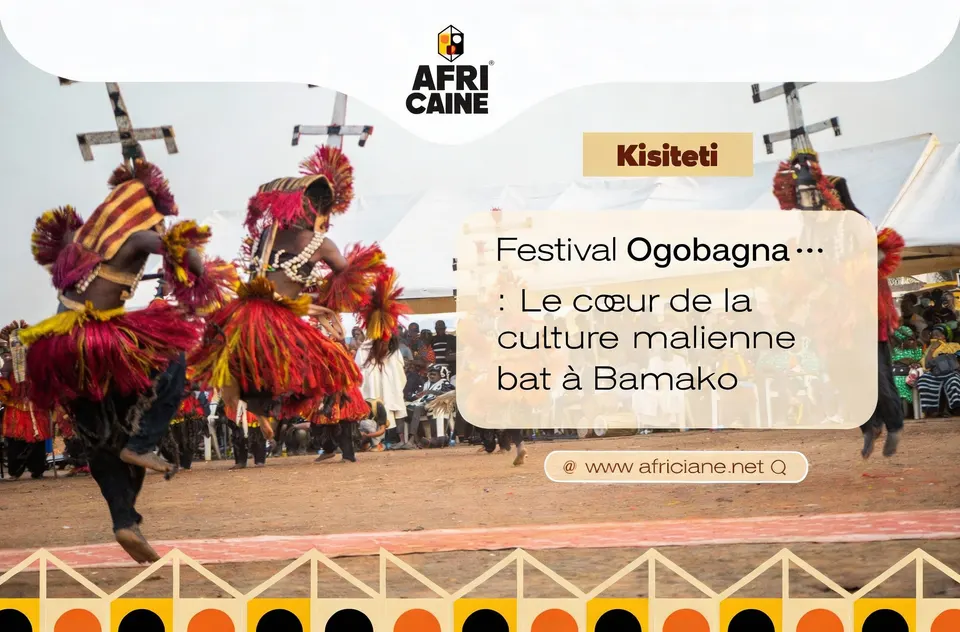
The appearances of Dogon masks, notably the Kanaga and the Sirige, are the high point of the celebrations.
The Kanaga Mask: Representing the mythical bird or the balance between sky and earth, it is used in ceremonies marking the end of mourning (Dama) to guide the souls of the dead towards the world of the ancestors. The mask wearer is no longer a man but the vessel of a life force (nyama) able to intercede with the spirits. Although international tourism has slumped in central Mali, the performances in Bamako help keep alive the skills of the carvers and dancers.
Gastronomy and Pharmacopoeia: The Flavours of Resilience
The culinary side of the Ogobagna 2026 festival offers an immersion in the authentic flavours of the Sahel, while showcasing products with therapeutic virtues.
Dishes based on millet and fonio dominate the festival’s menu. Fonio, in particular, is prized for its nutritional qualities and its ability to adapt to poor soils. Innovations such as precooked fonio flour or “Juka” (a fonio-based dish) are on offer to meet the needs of urban populations and people living with diabetes.
Dolo and Traditional Drinks
Dolo, a fermented millet beer, is drunk from calabashes at social gatherings. Beyond its recreational side, dolo is regarded by musicians and elders as a fortifying, medicinal drink. The festival also presents products from the traditional pharmacopoeia, underlining the inseparable link between food and health in Dogon thought.
Intercultural Dialogue and Conflict Management
The festival positions itself as an instrument for “moving beyond conflict” through the use of ancestral sociological tools. By inviting communities such as the Kel Tamasheq or the Songhai to share the festive space, Ginna Dogon strengthens a social fabric torn by recent antagonisms.
Digital Transition and Heritage Protection
An innovative topic discussed at this 11th edition concerns the protection of personal data and the digitisation of heritage. With the spread of digital platforms, the question of intellectual property over mask motifs or ritual narratives is becoming crucial to prevent the unauthorised commercial exploitation of Dogon culture.
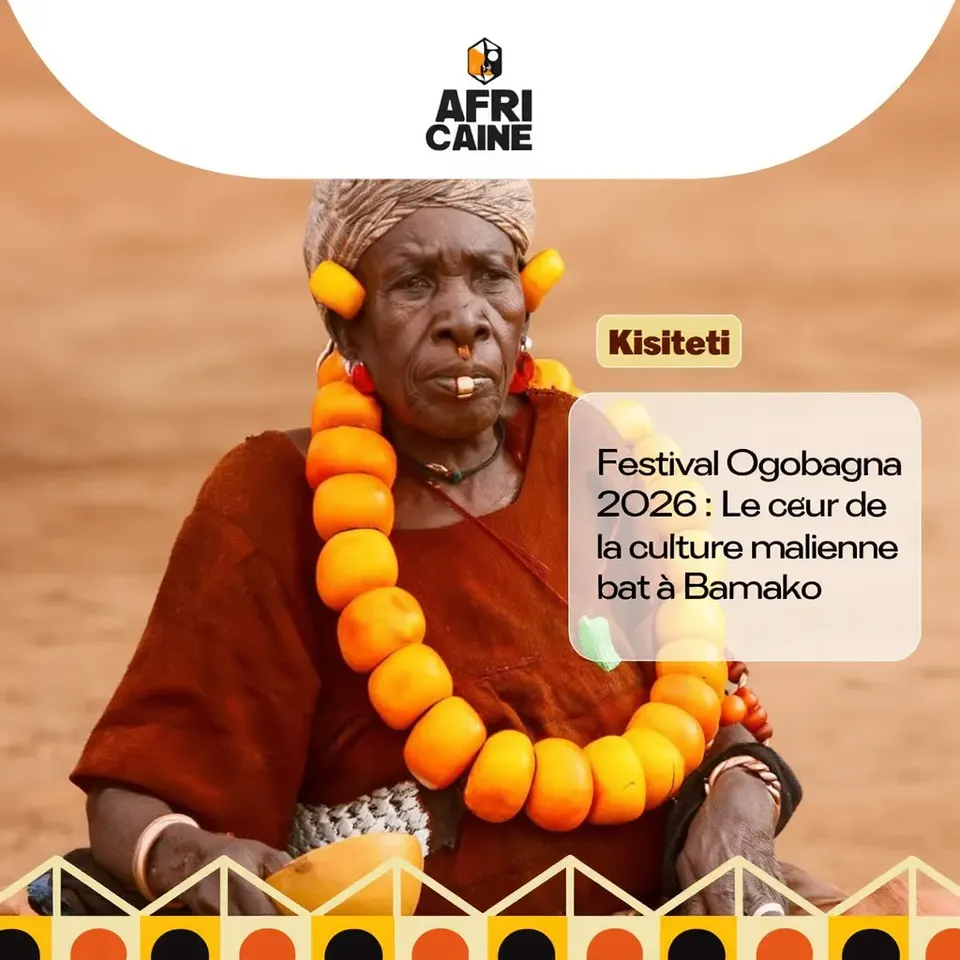
Ogobagna, the City of Resilience
The Ogobagna Cultural Festival 2026 is not limited to celebrating the past. It is a forward-looking event that draws on creation myths (Amma, Nommo) and social pacts (Sanankuya) to offer contemporary solutions to the Malian crisis. By placing the Bozo people at the heart of this edition, the organisers have reminded everyone that Mali’s national unity rests on the interdependence of its lands, between solid ground and the nourishing river.
Ogobagna thus asserts itself as a “city of resilience”, where every mask danced and every grain of millet shared under the Toguna helps rebuild collective trust. For the rest of Africa and for the world, this festival is striking proof that culture is not a luxury but a vital necessity for nations seeking lasting sovereignty. The 11th edition of Ogobagna will be remembered as the one that managed to marry the depth of Dogon cosmogony with the demand for dialogue of a Mali in the midst of change.
Pélagie BLEWUSSI