

Ndop: The Royal Cloth of Cameroon that Speaks to the Ancestors
This cloth, emblematic of the Bamileke and Bamum peoples, is far more than ceremonial dress. It is a silent library, a reflection of the spirituality and power that shape community life. Historically reserved for kings (Fons) and dignitaries, Ndop is the very embodiment of Ewà (noble beauty) and of cultural identity.

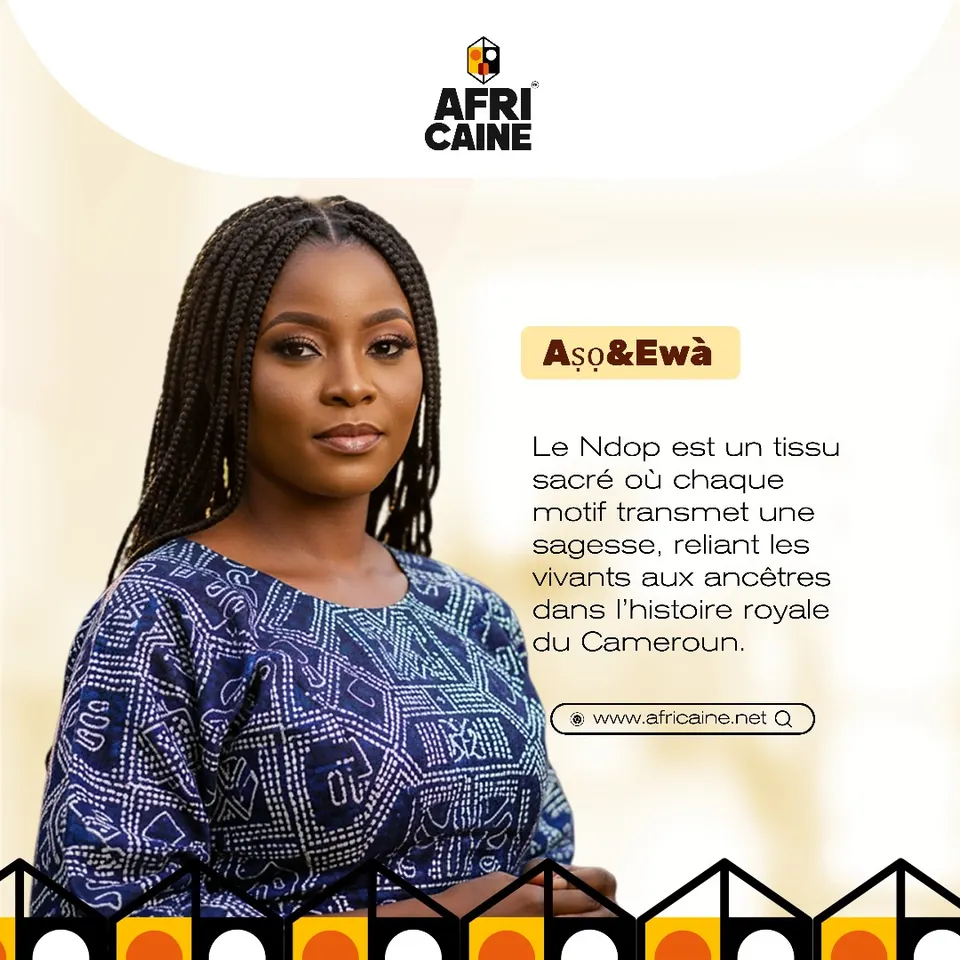
The Woven Heart of a Kingdom!
The journey we are embarking on today, into the Grassfields of Western Cameroon, is an immersion in royalty, art and identity. We are not talking about fashion alone, but about a textile monument: Ndop.
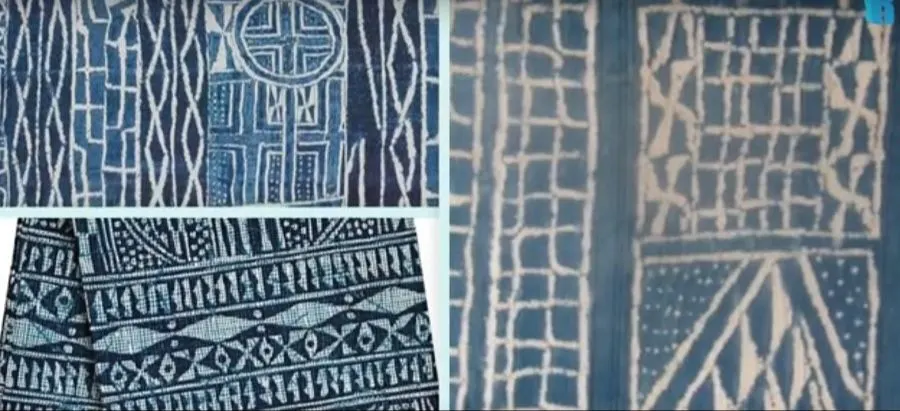
This cloth, emblematic of the Bamileke and Bamum peoples, is far more than ceremonial dress. It is a silent library, a reflection of the spirituality and power that shape community life. Historically reserved for kings (Fons) and dignitaries, Ndop is the very embodiment of Ewà (noble beauty) and of cultural identity. Its intense, mysterious indigo blue is not merely a colour; it is a frontier between the world of the living and that of the ancestors.
The Cloth’s Odyssey: From the North to the Sacred West
The traditional making of Ndop tells a story of trade and craftsmanship that spans Cameroon. The creation of this legendary cloth unfolds in two key stages, linking the country’s geographical extremes:
Phase 1: Weaving and Dyeing (North)
Historically, the cotton was spun, woven into long narrow strips and then dyed in the northern regions, notably around Garoua. It is there that the cloth acquires its chromatic soul: indigo. This natural dye, obtained through long and complex processes, gives the fabric its sacred status, linking it to the sky and the realm of the supernatural. Without this colour, Ndop is not Ndop.
Phase 2: Coded Stitching (Grassfields, West)
The indigo cloth then travels to the kingdoms of the Grassfields (the West Region), where Bamileke and Bamum master artisans take over. They practise the ancestral technique of stitch-resist:
The Drawing: The coded motifs are meticulously drawn.
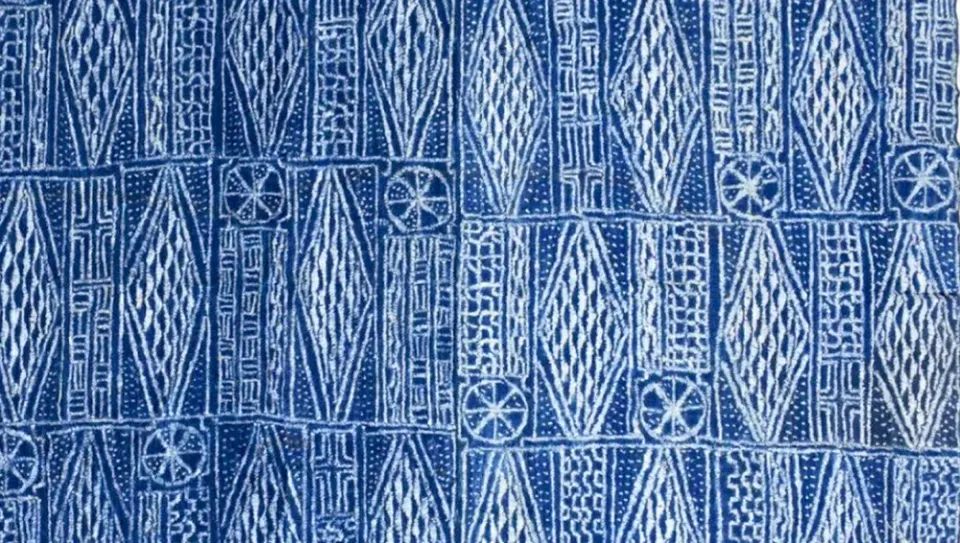
The Stitching: With a fine needle, the artisan sews over the design using a very strong raffia thread that resists the dye. The stitching is done with extreme density to “protect” the area.
The Revelation: The cloth is plunged into a fresh indigo bath. Once it has dried, the raffia is removed. Wherever the raffia thread acted as a shield, the motifs emerge in immaculate white, the white of light, purity and revelation. This is the birth of the figures that give Ndop all its symbolic power.
The Woven Language: Decoding the Iconography of Power
Ndop is a fixed language, a compendium of proverbs and genealogies. No design is an aesthetic whim; each is a watchword for the community. To read Ndop is to decode the wisdom of the secret societies that govern the kingdoms.
The cloth comes alive with the symbols essential to the life of the kingdom:
The Two-Headed Serpent : Absolute authority, the chief’s omnipresence on both the earthly and spiritual planes. A motif of high nobility, recalling the King’s duty.
The Tortoise: Skill, Longevity and Wisdom. Patience in decision-making, the foundation of good governance.
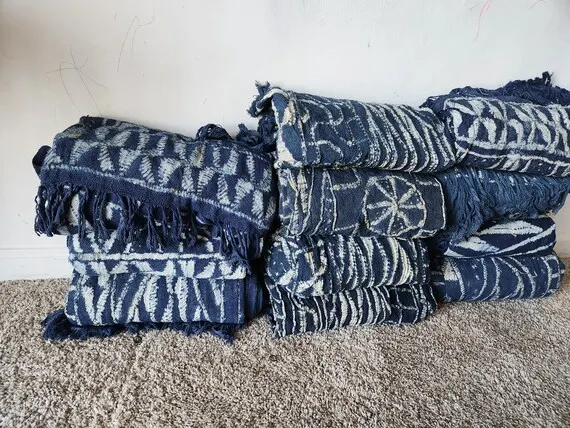
The Lozenge and the Circles: Fertility, the Cycle of Life and the strength of the Mother. The importance of procreation for the survival of the lineage.
The Lizard and the Cross: The Eternal Cycle, Death and Rebirth. Testimony to a complex spirituality in which the ancestors take part in the life of the living.
The Cowrie: Wealth, Prosperity and the currency of old. The symbol of the kingdom’s material and spiritual blessing.
Ndop Today: Between Threat and Global Renown
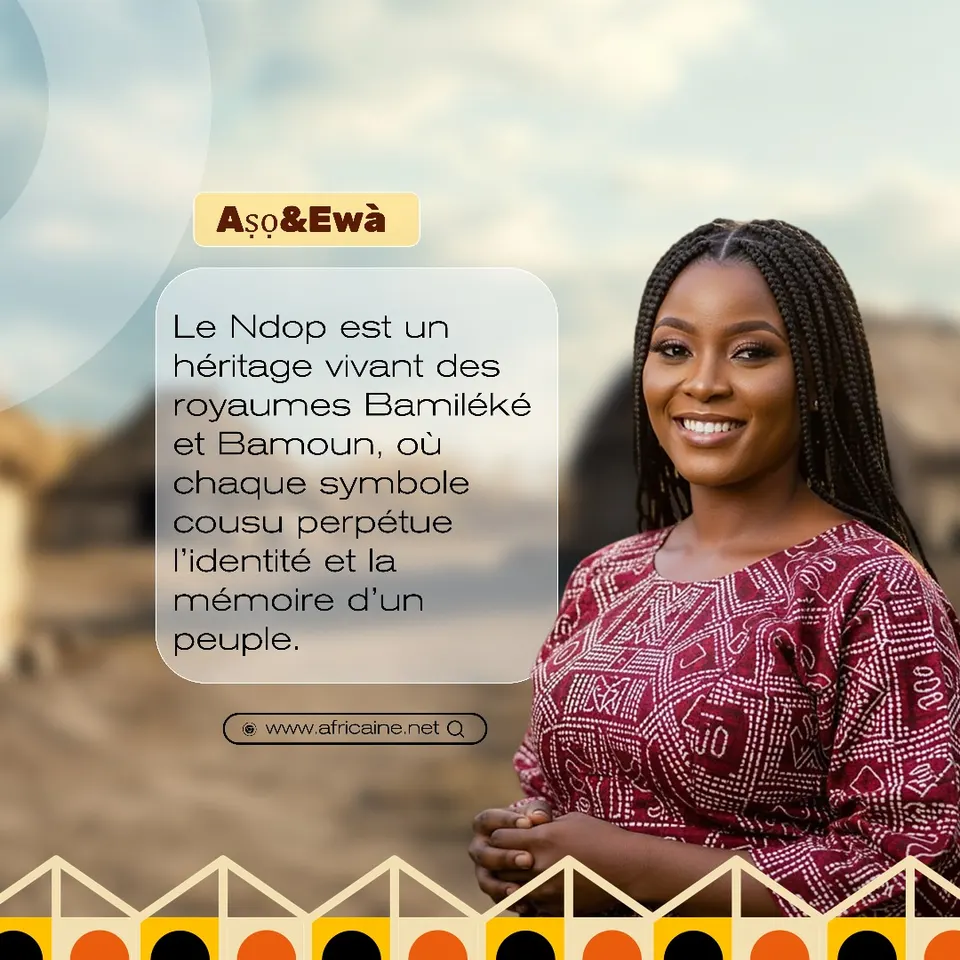
The fate of Ndop mirrors that of contemporary Africa. On the one hand, it has never shone so brightly: African and international designers have embraced it, turning it into haute couture pieces and injecting an effervescent warmth into global fashion.
On the other hand, this very success makes it vulnerable. Industrialisation has spawned blatant counterfeits, mere machine prints with neither the nobility of indigo nor the texture of raffia. The spread of “fake Ndop” threatens to strip the cloth of its sacred character and, more seriously still, endangers the ancestral craft, which survives only thanks to the master artisans who honour the long and costly stitch-resist process.
Ndop, this legendary textile, is a call. Through Aṣọ&Ewà, it urges us not to confuse price with value, and to support the artisans who continue to weave, stitch and dye the soul of their people. To preserve Ndop is to preserve the voice of the Kings and the memory of Cameroon (affectionately known as “the continent”).
We now take our leave of the Grassfields and bid you fa mè sé ho (see you soon) for a new chapter of woven African history!
Pélagie BLEWUSSI