

Ekú Àárò! The Secret of a First Meeting in the Yorùbá Language
A Linguistic Journey to the Heart of Africa! Dear Africans, dear members of the Africaine.net community, E káàbò to…

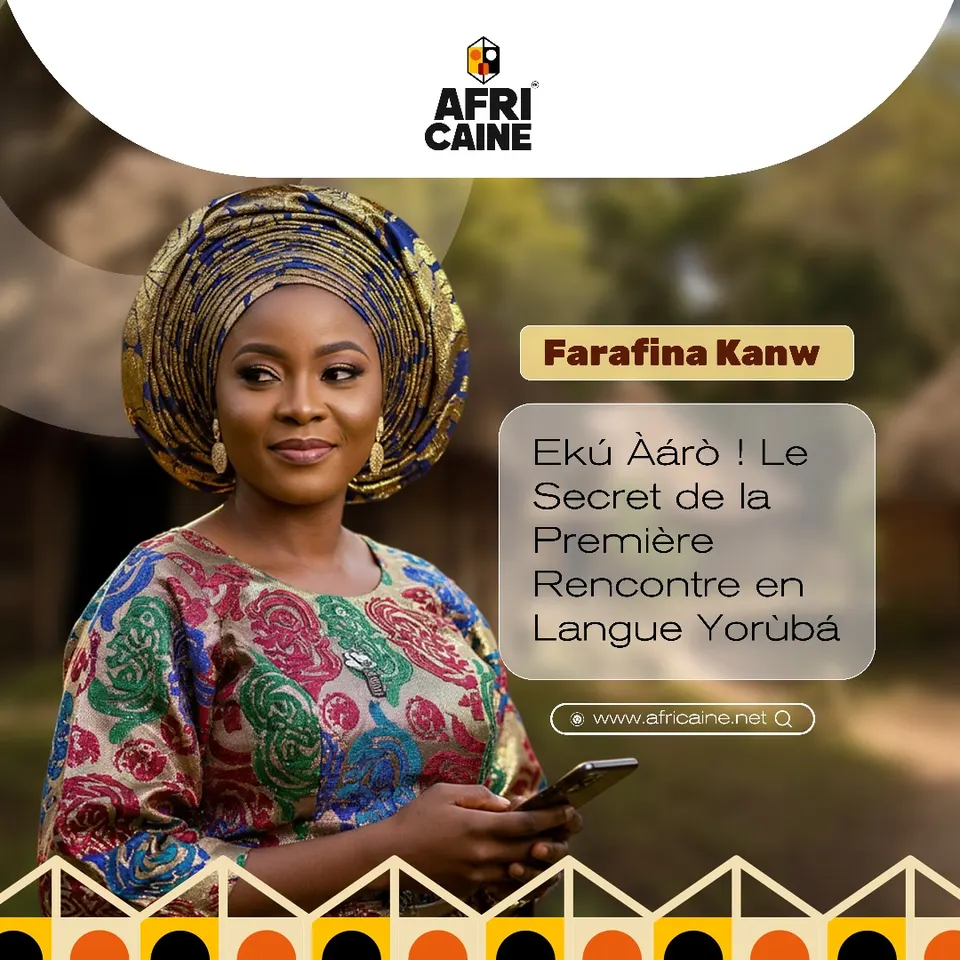
A Linguistic Journey to the Heart of Africa!
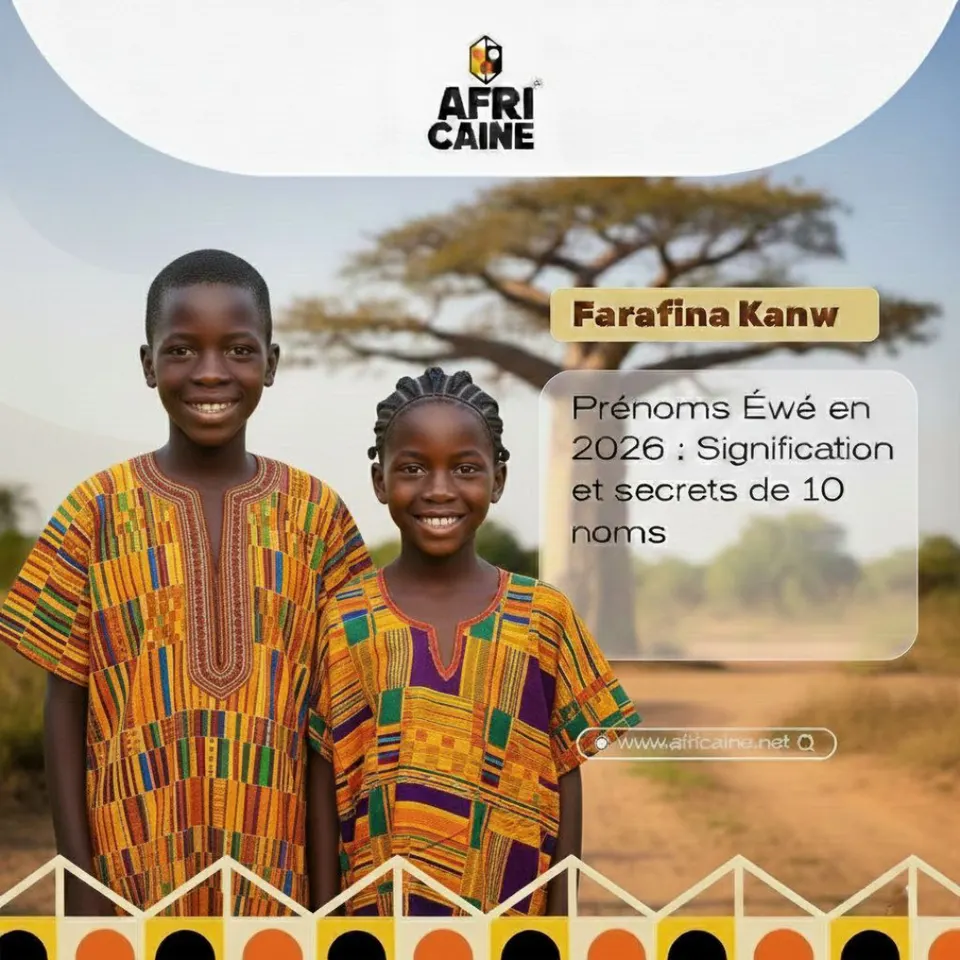
Dear Africans, dear members of the Africaine.net community, E káàbò to Farafina Kanw (Languages of Africa)! This column is your invitation to an unprecedented journey, a linguistic pilgrimage to rediscover the extraordinary wealth that lives in the womb of our continent. Every African language is more than a means of communication; it is a living archive, a heartbeat, a melody that carries within it the history, wisdom and soul of a people.
For this first outing, we are setting down our bags in the legendary lands of West Africa, which stretch from Nigeria to Benin by way of Togo: we are going to listen to the majestic sound of Yorùbá. With more than 40 million speakers (one of the largest ethnic groups in Africa) and a cultural influence that has crossed the Atlantic, Yorùbá is much more than a language; it is a bridge flung between the glorious past of the city-states of Ifẹ̀ and Òyó and the vibrant diaspora of the Caribbean and the Americas. Learning Yorùbá gives you a key to decoding the rhythms of fújì and jùjú, and to catching the echo of the Òrìṣà in Cuban Santería or Brazilian Candomblé. It is the very essence of African identity opening up to you.
The Secret of a First Meeting: The Art of the Yorùbá Greeting
In Yorùbá culture, greeting is a ceremony, a ritual that establishes respect, recognition of the other person’s humanity and the social bond. You do not simply say “Hello”; you ask how the person woke up, how they are keeping, how their family is. It is a total commitment.
Here are the first expressions that will let you feel the warmth of a Yorùbá welcome straight away.
Your First Essential Phrases
1- E kú àárò | É kou ahr-oh | Good morning (literally: good waking) | for the morning (from rising until noon)
2- E kú iyálètà | É kou yahl-é-tah | Good afternoon (for the middle of the day) | for the afternoon (from noon until sunset)
3- E kú asálé | É kou ah-sah-lé | Good evening | for the evening (after sunset)
4- Báwo ni o se wa ? | Ba-wo ni oh sé wa? | How are you? | Formal, or to show respect
5- Mó wa dádá, e ṣé ! | Mo wa dada, é shé ! | I am well, thank you! | A polite, warm reply
6- O dàbò | O da-bo | Goodbye | To take your leave (used both by the person leaving and the person staying)
Take note: Notice the initial E in several of the greetings. It is the mark of politeness and respect towards an elder, a superior or a group. It is the warmth of the community speaking. With a close friend or a child, you would use Kú instead (for example, Kú àárò).
The Power of Tone: The Secret of Pronunciation
Yorùbá, like many African languages, is a tonal language. This means that the way you pitch your voice changes the meaning of a word, even when the letters are the same. Therein lies the poetry and complexity (but also the beauty!) of the language.
Tones: there are three main tones:
High (á): the voice rises. E.g. bá (to meet)
Mid (a) : a neutral pitch. E.g. ba (to hide)
Low (à): the voice falls. E.g. bà (to perch)
Paying attention to the accents is essential if you want to be understood. For example:
òkà (with a low/mid tone) = a type of yam
ó ká (with a high tone) = he rolled
Don’t worry! Context helps a great deal, and speakers will always appreciate the effort; that, too, is Africa!
Our Journey Is Only Just Beginning
Today you have spoken your first words and opened your heart to the melodious words of Yorùbá. By sharing a simple E kú àárò or a warm E sé!, you are not just using a language; you are helping to perpetuate an ancient culture and honouring the heritage of our ancestors, here and around the world.
Yorùbá, like all the languages of Farafina, is a treasure that unites us. Stay with us for the rest of this thrilling journey! The next stage will take us further into everyday usage, the wisdom of Yorùbá proverbs and more secrets of this fascinating culture.
O dàbò (Goodbye), dear explorers of Africa!
Pélagie BLEWUSSI