


Decoding “Il s’appelait Tayc”: Tayc Takes Stock of an Era
Decoding “Il s’appelait Tayc”: Tayc takes stock of an era. Contemporary African music is a space of celebration,…

Decoding “Il s’appelait Tayc”: Tayc Takes Stock of an Era
Contemporary African music is a space of celebration, but also of confession. With “Il s’appelait Tayc”, the French artist with Cameroonian roots is not releasing just another track; he is offering a testament. The video, which has already racked up more than 2 million views, is a poignant farewell to the former version of himself (1996–2025), a clear-eyed reckoning and a majestic, intimate rite of passage.

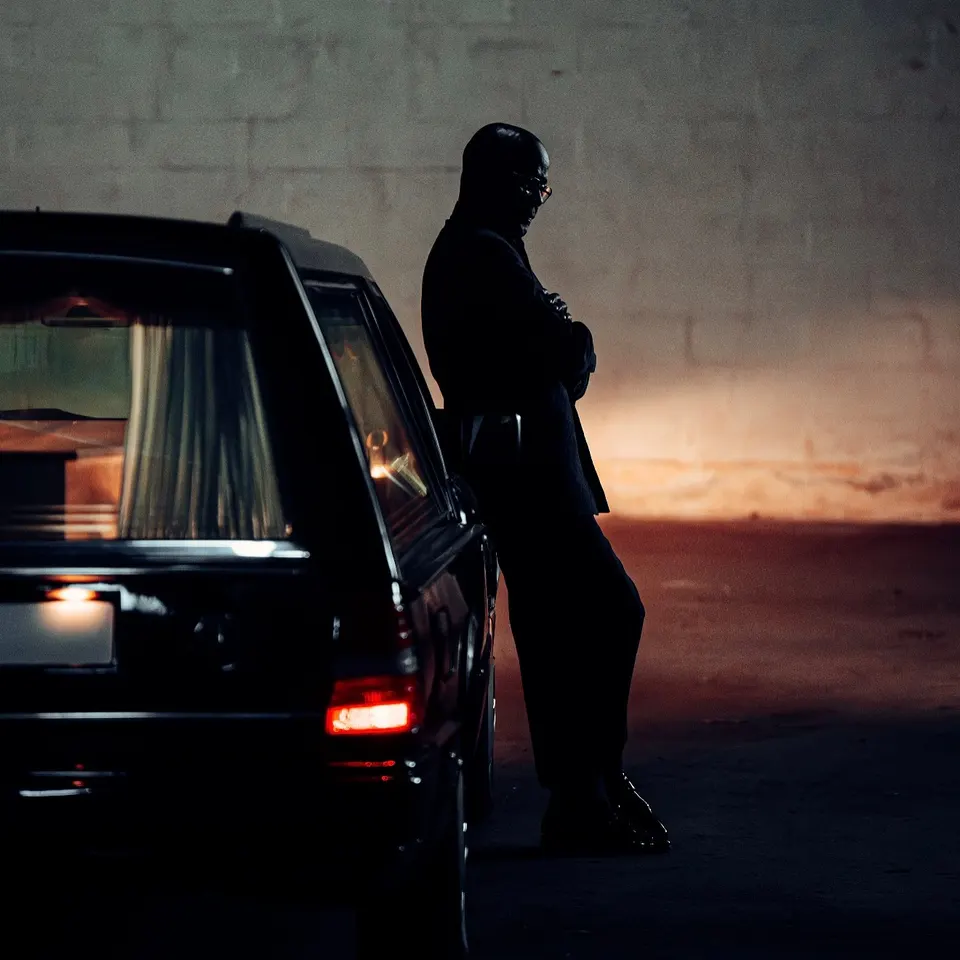
Tayc uses evocative symbols: light, the shaving of the head, fire, destruction and the coffin, to turn this song into a cathartic experience, an act of liberation that echoes the story of every African “survivor” who has had to fight for success.
I. The Symbolism of Sacrifice: Shaving as an Act of Purification
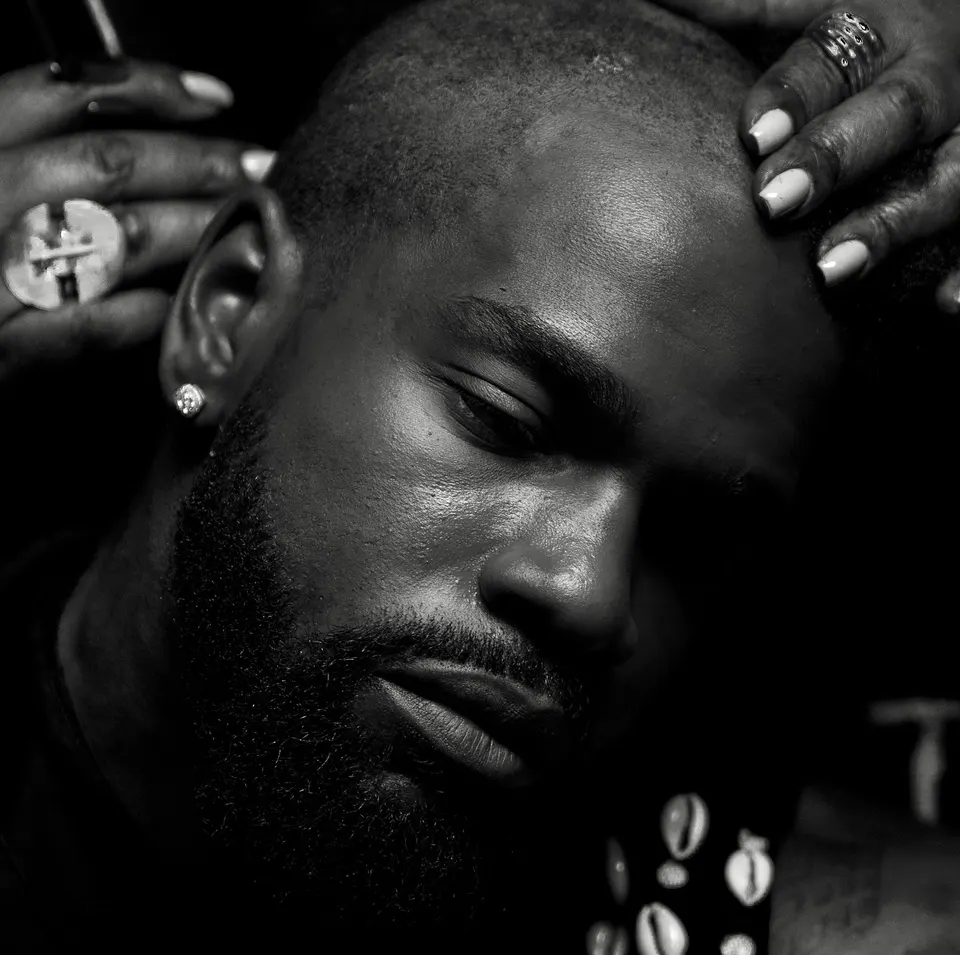
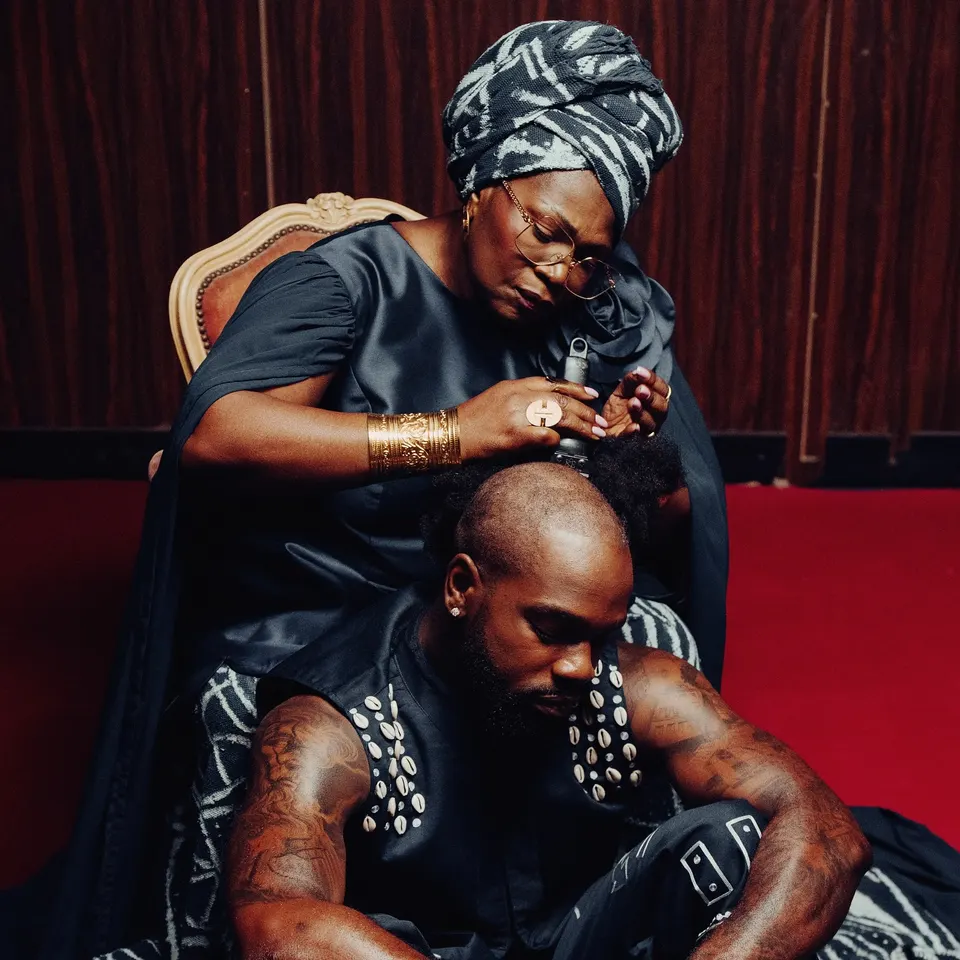
The most striking visual element of the video is without doubt the shaving of Tayc’s head by “his mother”. In many African cultures, and particularly in rites of passage, shaving the hair is a powerful symbol:
- Purification and Renewal: Hair often symbolises past experiences, ties and burdens. Shaving one’s head is an act of radical purification, marking the will to start again from scratch, free of the weight and of the mistakes made.
- Farewell to the Old Identity: Tayc literally pays tribute to the man who “was called Tayc”, leaving him behind (1996 to 2025). The shaving is the ultimate gesture to break with that past identity, often associated with hardship and the need to “take it all”. He leaves behind the fiery young man to embrace the mature man (among the ranks of all those mature men lined up in the visuals).
- Humility and Focus: In a world where image is everything, this act is a gesture of humility, bringing the attention back to essence and mission, in keeping with the lyrics, which insist on having “won it all”.
II. Light and Shadow: The Triumph of Awareness
The lighting and the treatment of the image in the video are deliberate, underlining how far he has come:
- The Shadow of the Past: The opening scenes, or the dark shots, represent the time when he was “just a kid who wanted to take it all”, when there were still deaths “right at the foot of the block”, and when grief made his sisters cry “all night long”.
- The Light of Victory: At the end, we see that glowing “Y”, the year of his birth and of the release of this work, then the announcement of the “Second Album: JoYa” and the date “15 May 2026” all in white, symbolising “the end of an era, the beginning of a life”, as the artist wrote in a comment beneath the video. Tayc declares that he has “won it all” and that his “mission is over”; not the end of his career, but the end of the cycle of struggle, doubt and pain (such as the loss of his friend and manager). The light reflects the inner peace and prosperity he has finally attained.
III. The Message: Reckoning, Forgiveness and Legacy

This track is a living song to legacy and to forgiveness, fundamental values that resonate across our continent:
- Forgiveness and Wisdom: Tayc chooses to keep “only the good” from the story and to forget what was done to him. He forgives those who made him suffer, simply calling them human. It is a mark of maturity rarely seen in the music industry.
- Passing It On: The mention that his son “has grown up” and that his “little brother is on the way”, as we are shown the belly of his pregnant partner dressed in a traditional Cameroonian wrap (like his mother), is a visual message about legacy and transmission. He must now love and guide the new generation, having managed to leave “the estate”.
- Gratitude: The video and the lyrics are full of thanks to the public and above all to his mother, Youla, whose prayers have accompanied his rise.
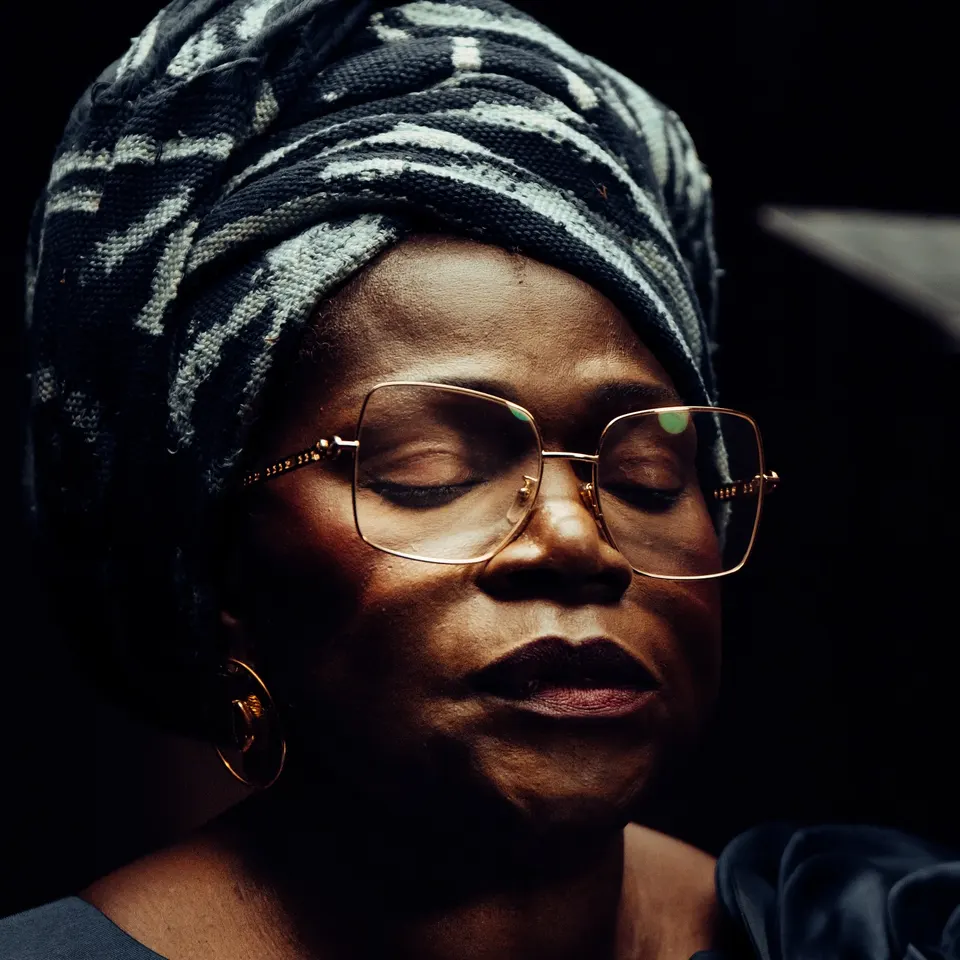
“Il s’appelait Tayc” is clearly not just another melody. It is a deeply symbolic act. A nod to the self he is parting with in order to return to what matters, the figure in the coffin. It marks his desire to reconnect with spirituality, with family, with real life. It is the artist’s entry into a new era, one of wisdom and self-assertion, proving that true success means finding peace after the battle. The old version is dead, and the Phoenix will rise again, stronger, ready to write new and authentic pages of African-European history with JoYa, 13 days after his birthday on 2 May 2026.


Until this return, brimming with transformation, cherish every note and every word of this season finale!
Pélagie BLEWUSSI